The “mystery super-seed” that supposedly crushes chia and flax on protein is usually a marketing trick dressed up as nutrition advice.
Quick Take
- Most “way more protein than chia and flax” headlines exaggerate small differences and often avoid naming the seed.
- Chia and flax land in the same neighborhood for protein per typical serving; the bigger differences show up in fiber, omega-3 type, and how you use them.
- Chia brings a complete protein profile and a heavy fiber hit that changes fullness and digestion.
Flax brings more ALA omega-3 and lignans, but it only pays off if you grind it.
The Clickbait Anatomy of “Way More Protein”
Protein is the lever because it triggers a simple, emotional decision: stronger, leaner, less hungry. Wellness media knows that, so the headline frames chia and flax as old news and teases a “better” seed. The problem: a typical serving of chia or flax already delivers around 4–5 grams of protein, so “way more” usually requires changing the serving size or switching to a different product form.
Some articles quietly compare a tablespoon of chia to a quarter cup of another seed, then declare a winner. Others compare whole chia to ground hemp hearts, or raw flax to a processed snack mix, which muddies the math. Common sense matters here: if the measurement game determines the champion, the “champion” is the measuring spoon, not the food. Adults over 40 should treat dramatic gaps as a signal to inspect serving sizes first.
Struggling to lose weight? Try our AI doctor for GLP 1 options.
Chia vs. Flax: The Real Scorecard Isn’t Just Protein
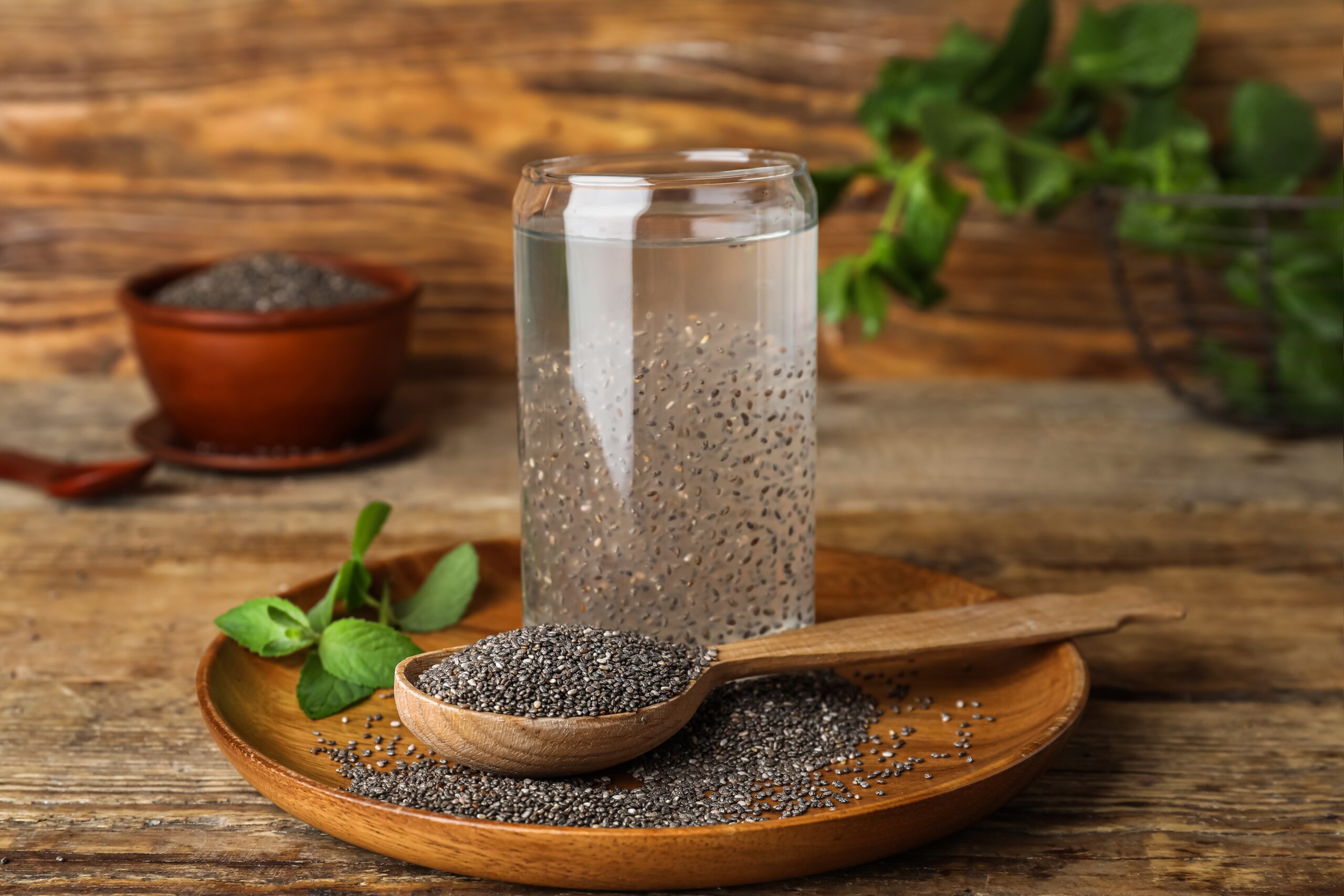
Chia’s advantage isn’t that it magically outmuscles flax; it’s that it stacks benefits in one simple habit. Chia is known for high fiber per serving, the gel-like “pudding” effect when hydrated, and a complete protein profile that appeals to plant-based eaters. That gel slows digestion for many people, which can translate into steadier appetite and fewer snack attacks later in the day.
Flax fights a different battle. It tends to edge chia in ALA omega-3s and brings lignans, plant compounds often discussed in the context of heart health and hormone-related research conversations. The catch is practical: whole flax can pass through you partly intact. Grinding flax (or buying it milled) often determines whether you actually absorb what you paid for, which is an unglamorous truth headlines avoid.
Find out if GLP 1 medication is right for you.
The “Super Seed” Most People Mean: Hemp, Pumpkin, or Something Else
When writers refuse to name the seed, they usually want your imagination to do the selling. If they do name it, the frequent contenders are hemp hearts or pumpkin seeds because their protein per 100 grams can look higher than chia’s. That’s true on paper, but real life happens in tablespoons, not spreadsheets. Few people eat 100 grams of any seed daily unless it’s baked into a recipe or sprinkled with a heavy hand.
Hemp hearts, for example, can fit protein-focused diets well, but they don’t replicate chia’s fiber-driven satiety the same way, and they don’t have the same thickening behavior in foods. Pumpkin seeds bring crunch and a different mineral profile, but they also bring more calories per “protein win” if you pour without measuring. The takeaway: a “higher-protein seed” can be useful, but it doesn’t automatically replace chia or flax; it changes the nutrition trade-offs.
Why These Headlines Persist: Simple Macros Beat Complex Outcomes
Protein is countable; outcomes are messy. “This seed has 31 grams per 100 grams” is clean. “This seed helped people stay full and maintain healthy cholesterol over months in a real diet” is complicated and harder to monetize. That’s why the internet keeps reprinting the same showdown: chia vs. flax vs. a new challenger. The fight distracts from the more important question: what problem are you trying to solve?
If the goal is regularity, chia’s fiber load and water-binding behavior can matter more than an extra gram of protein. If the goal is omega-3 intake, flax often earns its spot. If the goal is simply hitting a protein target without more meat, rotating seeds can help, but it won’t replace the heavy lifters like dairy, eggs, fish, legumes, or lean meats. Seed protein is supportive protein, not the foundation.
How Adults Over 40 Should Use Seeds Without Getting Played
Start with the “two questions test.” First: what serving size is the article using for each seed? If they aren’t equal, ignore the conclusion. Second: what form is it—whole, ground, or hulled? Whole flax and ground flax act like different foods. Chia changes when soaked. Even minor prep choices can swing digestion and satisfaction more than the label’s protein line.
Then use seeds like tools. Add chia when you want fullness or need a simple thickener in yogurt, smoothies, or overnight oats. Add ground flax when you want a nutty flavor and you’re targeting ALA omega-3s and lignans in daily routines. Add hemp hearts or pumpkin seeds when you want a protein bump with texture, especially on salads or cottage cheese. Rotation beats obsession, and it respects both budget and biology.
One warning deserves adult attention: seeds can interact with real-world constraints. High fiber can upset digestion if you scale up too fast. Omega-3-rich foods can matter if you take blood-thinning medications or have surgery planned. The smartest “superfood” move is boring: keep portions realistic, drink enough water, and let seeds complement a protein strategy instead of pretending they are one.
Safe science based weight loss no guesswork.
Sources:
Chia Seed vs. Flaxseed: Nutrition, Benefits, and Which One to Choose
Chia Seeds vs Flax Seeds — Is One Healthier?
Dietary fiber: a review of recent evidence on its role in health and disease
Chia Seeds Vs. Flax Seeds: Which One Is Healthier?
Beyond Nutrition Labels: What Chia and Flax Seeds Really Do When You Add Them to Your Meals in 2026