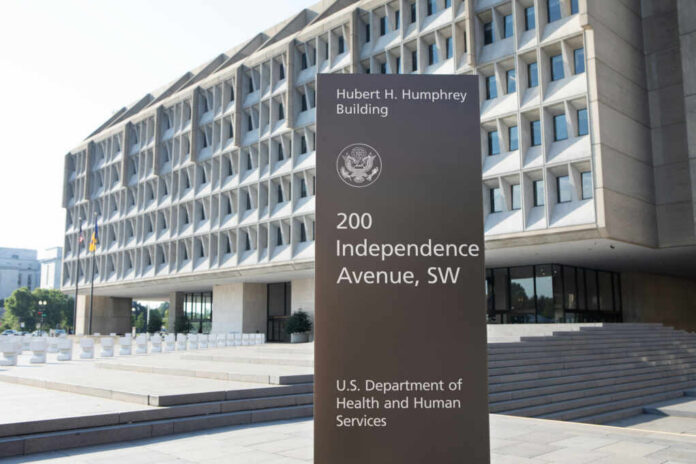
The FDA has quietly opened a new safety review of the abortion pill mifepristone, and the outcome could reshape how millions of American women access early abortion care.
Story Snapshot
- The FDA has begun a formal safety study of mifepristone, the key drug in medication abortion, after years of political pressure and legal battles.
- Supporters point to decades of data showing mifepristone is very safe when used as directed, with complication rates lower than many common outpatient procedures.
- Critics argue that real-world adverse events, reporting gaps, and the rise of telehealth and mail-order use may be understating the true risk.
- The review comes as the agency already oversees a risk evaluation and mitigation strategy for mifepristone, and as American public opinion remains sharply divided on the pill’s safety.
What the FDA Is Actually Doing
The U.S. Food and Drug Administration has launched a safety study of mifepristone, the first drug in the standard two‑pill regimen used to end early pregnancies. This is not a new approval review but a focused examination of how the drug is performing in the real world, especially since access rules were loosened during the pandemic. The study will scrutinize postmarketing reports, adverse event data, and any emerging patterns that might suggest changes to how the drug is prescribed or monitored.
The FDA has long maintained that mifepristone, used in combination with misoprostol, is safe and effective up to ten weeks of pregnancy when taken under the agency’s risk evaluation and mitigation strategy. That strategy includes requirements for who can prescribe and dispense the drug, as well as safeguards meant to ensure patients receive accurate information and follow‑up care. The new review does not automatically mean restrictions will return; it means the agency is under pressure to re‑examine its own earlier decisions in light of new political and legal challenges.
The timing of this study is critical. In recent years, courts and the FDA itself have rolled back older restrictions, allowing more providers to prescribe the pill and even permitting pharmacy dispensing in some settings. The new safety review could either reinforce those changes or create a pathway for new rules, depending on how the data is interpreted and how aggressively regulators respond to political cues.
The Safety Data: What We Know
Multiple large studies and reviews of mifepristone‑based medication abortion show complication rates that are low compared with many routine medical procedures. One analysis of over 230,000 cases at Planned Parenthood clinics found that about 0.65 percent of patients experienced what clinicians defined as significant adverse events. Other large studies put overall complication rates around 5 percent, with most complications being manageable and treatable in outpatient settings.
Researchers at the University of California San Francisco’s ANSIRH program and other groups have repeatedly concluded that medication abortion with mifepristone and misoprostol is safer than carrying a pregnancy to term and comparable in safety to vacuum aspiration and other early‑pregnancy procedures. These findings are consistent with the FDA’s own periodic reviews, which have not uncovered new safety signals that would justify pulling the drug from the market or drastically tightening access.
Still, the FDA acknowledges that its adverse‑event reporting system has limitations. The agency’s public safety dashboard and Freedom of Information Act disclosures sometimes show fewer reports than internal or provider‑level data, and since 2016 the requirement to report most adverse events beyond deaths has been relaxed. That means the official count of complications is almost certainly an underestimate, even if the overall rate remains low.
The Controversy Over Risk Numbers
Opponents of mifepristone are not challenging whether the drug works; they are challenging how risk is counted. A recent insurance‑claims analysis, promoted by groups opposed to abortion, suggests that about 10 percent of mifepristone abortions between 2017 and 2023 were followed by serious adverse events such as incomplete abortion, hemorrhage, or infection within 30 days. That figure is far higher than the sub‑1 percent serious‑event rate cited in clinic‑based studies.
The difference likely stems from how “serious adverse event” is defined and where the data comes from. Claims databases capture hospitalizations, emergency room visits, and other billed encounters, which may include events that are not directly caused by the pill but occur in the same window. Clinic‑based studies rely on structured follow‑up and clinical judgment, often excluding minor complications. Both approaches have biases, and neither alone can give a perfect picture of true risk.
What matters for public policy is whether the higher claims‑based estimate reflects a real, undercounted danger or mostly reflects expanded detection and broader definitions. The FDA’s new safety study will have to grapple with that question, and how it answers could determine whether mifepristone is treated more like a routine prescription drug or more like a high‑risk specialty medication.
Politics, Misinformation, and the Public’s View
Long before this latest review, mifepristone became a political lightning rod. Abortion opponents have repeatedly alleged that the pill was rushed to market or inadequately studied, despite the FDA’s multi‑year review process and subsequent postmarketing surveillance. At the same time, some AI‑generated health summaries and online sources have downplayed risks, offering false reassurance about serious conditions and contributing to confusion about what the data actually show.
Public opinion reflects this tension. Polling indicates that more Americans believe mifepristone is safe than unsafe when taken as directed, but a large share remain uncertain. That uncertainty is fertile ground for both alarmist claims and overly rosy portrayals, neither of which serve patients well. The FDA’s new study will be read not just by clinicians but by lawmakers, advocacy groups, and media figures, each of whom will highlight the parts that fit their narrative.
The core issue is straightforward: medical decisions should be grounded in honest risk‑benefit analysis, not slogans. If mifepristone is as safe as the bulk of the evidence suggests, then access should not be needlessly restricted. If real‑world patterns show previously missed dangers, then safeguards—not outright bans—should be the response. The challenge for the FDA is to conduct that analysis in a way that survives both scientific scrutiny and political pressure.
What This Review Could Mean for Patients
The outcome of the FDA’s safety study could quietly reshape how women obtain early abortion care. If the agency finds no new safety concerns, it may continue loosening restrictions, potentially expanding pharmacy access, telehealth prescribing, and mail‑order options. That would make medication abortion more like other time‑sensitive treatments, where convenience and speed are part of the safety calculus.
If, however, the review leads to tighter rules—such as requiring in‑person visits, limiting telehealth, or tightening the risk evaluation and mitigation strategy—patients in rural and underserved areas could face longer delays, higher costs, and more logistical hurdles. For many women, especially those with limited transportation, childcare, or paid time off, those barriers can effectively block access even if the pill remains technically legal.
For readers who care about both life and liberty, the stakes are clear. The goal should be a system that respects the seriousness of ending a pregnancy while also respecting women’s ability to make medical decisions without unnecessary government interference. The FDA’s new safety study will not resolve the moral debate over abortion, but it can either clarify the real risks or become another front in a culture war that has already distorted the facts far too much.
FDA launches study of abortion pill safety, WSJ reports https://t.co/dL8wA7YmeQ https://t.co/dL8wA7YmeQ
— Reuters (@Reuters) June 5, 2026
What happens next depends on how rigorously the FDA separates evidence from ideology. The data already show that mifepristone is one of the safest options available for early abortion, but no medication is risk‑free. The real test is whether the agency can acknowledge that nuance without either minimizing rare tragedies or exaggerating everyday risks to justify political ends.
Sources:
[1] Web – FDA launches safety study for abortion pill mifepristone, source says
[2] Web – Risks of and Indications for Mifepristone for Medication Abortion | …
[3] Web – Reducing access to mifepristone would harm patients
[4] Web – Efficacy and safety of medical abortion using mifepristone … – PMC
[5] Web – Questions and Answers on Mifepristone for Medical … – FDA
[6] Web – The War on Mifepristone: How Junk Science and False Narratives …
[7] Web – [PDF] Analysis of medication abortion risk and the FDA report … – …
[8] Web – Medical Abortion: What It Is, Pain, Risks & Recovery – Cleveland …
[9] Web – NEW Study on The Abortion Pill Reveals Significant Risks to Women
[10] Web – Abortion Risks and Safety | ANSIRH
[11] Web – Exploring the Safety and Efficacy of Medical Termination of Pregnancy