Weight-loss drugs aren’t just shrinking waistlines—they’re forcing a trillion-dollar food industry to surrender shelf space to the appetites they’ve killed.
Story Snapshot
- GLP-1 drugs like Ozempic trigger a 5.3% grocery spending drop within six months, with savory snacks and sweets plummeting 10%.
- Food giants Nestlé and Conagra scramble to launch smaller-portion, protein-packed products tailored to users whose hunger vanished.
- One in eight Americans now takes these drugs, reshaping grocery aisles with “GLP-1 friendly” labels as overall consumption falls—not just shifts.
- Cornell research reveals higher-income households slash grocery bills by 8%, but one-third who quit the drugs revert to unhealthy spending patterns.
When Pharmaceuticals Rewrote the Grocery List
GLP-1 receptor agonists like semaglutide arrived as diabetes management tools—Ozempic earned FDA approval in 2017, followed by Wegovy for obesity in 2021. These drugs mimic gut hormones that slow digestion and suppress appetite, creating a sensation of fullness that lingers for hours. Off-label weight-loss use exploded after celebrity endorsements post-2022, triggering nationwide shortages and a prescription surge that reached one in eight Americans by 2024. Unlike earlier diet trends that substituted one food for another, GLP-1s simply turned off the desire to eat, creating ripple effects no nutritionist predicted and no food executive could ignore.
The Numbers Behind Empty Carts
Cornell researchers published findings in December 2025 that quantified what grocery planners already suspected: GLP-1 users spend 5.3% less on groceries within six months of starting treatment. The study analyzed transaction records from 150,000 households through Numerator, tracking real purchases rather than self-reported surveys. Savory snacks and sweets suffered the steepest declines at 10%, while yogurt and fruit saw modest increases. Higher-income households cut grocery spending by more than 8%, and fast-food purchases dropped similarly. The spending patterns persisted beyond a year for those who continued medication, but roughly one-third who discontinued treatment reverted to previous, less healthy purchasing habits.
Supermarket Aisles Transform Overnight
Grocery planner Iet Decker observed the shift firsthand: GLP-1 users arrive with smaller baskets and different priorities. Food companies responded with product lines targeting this new consumer segment. Nestlé developed smaller-portion frozen meals and high-protein options under brands like Stouffer’s and DiGiorno, addressing both reduced appetite and muscle loss concerns associated with rapid weight reduction. Conagra CEO Sean Connolly announced protein and fiber snacks through Healthy Choice and Slim Jim lines, framing the pharmaceutical disruption as a growth opportunity rather than a threat. Retailers now stock “GLP-1 friendly” products throughout stores, a merchandising category that didn’t exist three years ago.
The Atkins Comparison Falls Apart
Industry analysts initially compared the GLP-1 phenomenon to the low-carb Atkins craze of the 2000s, when food manufacturers rushed to launch branded products catering to carbohydrate-averse dieters. That comparison misses the fundamental distinction: Atkins drove substitution, with consumers swapping regular bread for low-carb alternatives while maintaining overall consumption levels. GLP-1 drugs suppress appetite outright, reducing total volume purchased across categories. Morgan Stanley projected a 3% decline in sweet and salty snack consumption by 2035, a forecast that now appears conservative given Cornell’s findings. The economic impact resembles the tobacco industry’s gradual contraction more than a dietary trend’s temporary disruption.
When Innovation Meets Desperation
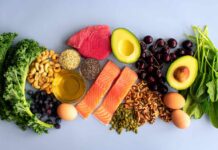
Food companies face an existential question: how do you sell food to people who aren’t hungry? The industry’s answer combines reformulation with repositioning. Products emphasize nutrient density—delivering maximum protein, vitamins, and minerals in minimal portions. Dietician Grace Derocha notes these products offer “best bang for buck” nutrition, potentially supporting users who eventually discontinue medication. The strategy acknowledges a harsh reality confirmed by Cornell research: appetite suppression works until it doesn’t, and roughly one-third of users stop treatment within months. Food companies bet these customers will remember which brands supported their weight-loss journey and reward them with loyalty post-discontinuation, even as purchasing patterns slide backward.
The Uncomfortable Questions Nobody’s Answering
Cornell researchers admit they cannot fully isolate drug effects from broader lifestyle changes among GLP-1 users, though discontinuation reversion patterns strongly suggest appetite suppression drives spending declines. The pharmaceutical mechanism—slowed gastric emptying and reduced hunger signals—supports this interpretation. Yet deeper questions linger about sustainability and unintended consequences. Americans spend less on groceries while pharmaceutical companies profit from prescriptions costing hundreds monthly. Higher-income households access these drugs and reap grocery savings, while lower-income families continue purchasing ultra-processed foods now rebranded as “friendly” to a medication they cannot afford. The political messaging aligns with anti-obesity campaigns, but the economic reality concentrates benefits among those already advantaged.
What Happens When America Stops Eating
The U.S. grocery market exceeds one trillion dollars annually, built on assumptions about appetite that GLP-1 drugs invalidated. Spending declines of 5% translate to tens of billions in lost revenue, forcing consolidation and innovation simultaneously. Retailers dedicate shelf space to products serving a medicated minority while traditional categories contract. The precedent extends beyond food—pharmaceutical interventions now directly reshape consumer markets in ways previously limited to healthcare itself. Whether this transformation produces healthier Americans or merely transfers wealth from food companies to pharmaceutical manufacturers remains unclear, though the transaction data suggests both outcomes occur simultaneously, divided by income brackets and access to expensive prescriptions.
Sources:
Weight-loss drugs are forcing changes to grocery store offerings – Axios
Ozempic users spend less on groceries, more on takeout – ScienceDaily
Ozempic is changing the foods Americans buy – Cornell Chronicle
How GLP-1 drugs are disrupting the grocery industry – Grocery Dive