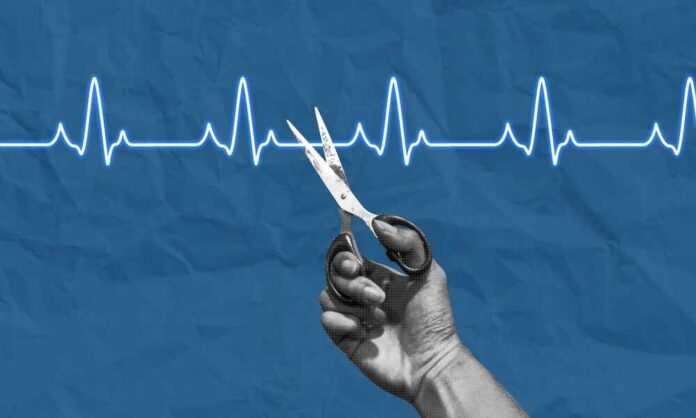
The kind of fat that shivers for heat may also quiet the fire in your arteries.
Story Snapshot
- A 2026 human study linked active brown fat to lower inflammation in key sections of the aorta in people with obesity [2].
- Stronger brown-fat activity tracked with less arterial inflammation and a more anti-inflammatory blood profile [2].
- Animal data show browning around the aorta dials down inflammatory signals through defined pathways [1].
- Claims of “heart protection” need trials that activate brown fat and measure clinical events, not just biomarkers [2].
Brown Fat Shows Up Where Arterial Inflammation Calms Down
Researchers reported that people with obesity who had active brown adipose tissue showed lower uptake of a glucose tracer in the ascending aorta and aortic arch—two hot spots for plaque formation—on positron emission tomography scans [2]. Lower tracer uptake signals less inflammation, a process that stokes atherosclerosis. The finding matters because it moves brown fat out of the “calorie-burning curiosity” bucket and into the neighborhood of vascular health, where inflammation accelerates the trouble we most want to avoid.
The same study did not stop at a yes-or-no label for brown fat. It found that larger brown-fat volume, higher average activity, and greater cold-induced heat production each tracked with less aortic inflammation in a graded fashion [2]. That dose-response pattern nudges the result away from coincidence. It suggests a physiologic link between a metabolically active fat depot and the immune environment of the vessel wall, which is exactly where atherosclerosis gains or loses momentum.
The Blood Looked Calmer When Brown Fat Was Switched On
Participants with active brown fat also carried a blood signature that leaned anti-inflammatory and less prone to clot formation [2]. The profile included more compounds considered potentially heart-friendly and fewer that support inflammation and thrombosis. Interleukin-6, a reliable distress flare in the bloodstream, ran lower in the brown-fat-positive group [2]. Those shifts, while still biomarkers, outline a consistent story: when brown fat hums, the molecules that make plaque cranky and unstable pipe down.
Animal work fills in how this might happen at the tissue level. In rats, coaxing the fat wrapped around the abdominal aorta to behave more like brown fat reduced levels of inflammatory messengers such as tumor necrosis factor alpha and interleukin-6, and activated the energy-sensing enzyme AMPK inside that perivascular fat layer [1]. Lower activation of a nuclear factor kappa B pathway marker also appeared, mapping a plausible route from warming fat to cooling inflammation where arteries live [1].
Protective Signal Versus Proven Protection
The human evidence reads as association, not cause and effect. The 2026 study compared people who already had active brown fat with those who did not; it did not randomly turn brown fat on and then watch arteries calm down [2]. Reverse causation and confounding live in that gap. Fitter participants, colder environments, different medications, or better metabolic health could travel with brown fat and shoulder some credit. Sensible readers should treat “linked to” differently than “caused by.”
Press pages and institutional summaries sometimes sprint ahead of the data and spotlight heart protection before trials land the plane. One academic center highlighted a brown-fat-released molecule as potentially protective for cardiac function based on its own work, while fairly portraying the promise but not resolving the causality problem for vascular disease [4]. Until randomized activation trials show changes in arterial inflammation and track heart attacks and strokes, this stays promising, not proven.
What To Watch Next And How To Use The Signal Now
The next decisive study recruits volunteers, deliberately activates brown fat through controlled cold acclimation or a targeted medication, and repeats aortic imaging while measuring inflammatory markers over months [2]. Mediation analyses that test whether specific anti-inflammatory molecules explain the link will clarify whether brown fat is driver or passenger. Replication in lean adults and in people with established coronary disease must follow to test whether the finding travels beyond obesity cohorts [2].
Practical takeaways do not require buying a cryotherapy chamber. Modest, safe cold exposure—think brisk walks in cool weather with reasonable clothing—activates brown fat for many people, though personal tolerance varies. None of this replaces the big levers: weight management, blood pressure control, glucose discipline, and not smoking. Brown fat sits at the intersection of metabolism and immunity. If future trials confirm that warming this small organ cools arterial inflammation, the prescription may be as old-fashioned as fresh air and a chill.
Sources:
[1] Web – Browning of Abdominal Aorta Perivascular Adipose Tissue Inhibits …
[2] Web – Active Brown Adipose Tissue Is Associated With Reduced Arterial …
[4] Web – Ohio State researchers discover brown fat’s potential role in …