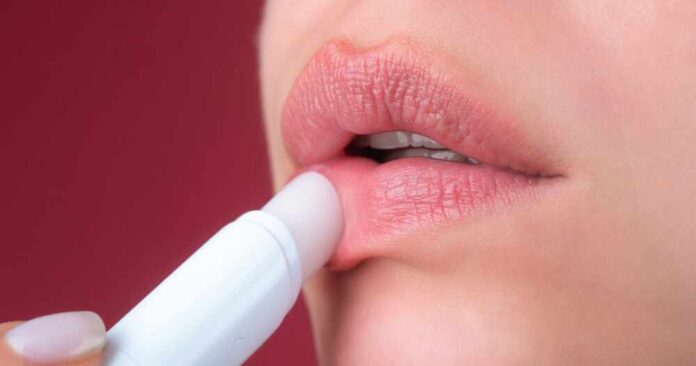
“Ultra Creamy Lip Butter” isn’t a real breaking-news product story—it’s a marketing label riding on a century-long shift toward “clean,” feel-good consumer trends that can quietly invite more corporate and regulatory control over everyday choices.
Story Snapshot
- No verified 2026 “Ultra Creamy Lip Butter” launch or controversy exists in the provided research; the phrase functions as a generic descriptor for creamy lip balms.
- Modern portable, creamy lip balm traces back to pharmacist Charles Browne Fleet’s 1880s invention and the 1912 ChapStick commercialization.
- Industry timelines show repeated pivots—from petroleum jelly and mass-market sticks to flavors, then back toward “natural” ingredients and sustainability packaging.
- The “return to naturals” trend (notably through 2025) reflects consumer backlash against heavy synthetics, while also increasing marketing hype around basic products.
Why “Ultra Creamy Lip Butter” Shows Up Everywhere—but Not in the News
Searchable “Ultra Creamy Lip Butter” headlines don’t exist in the supplied research because the term reads more like a texture promise than a specific, traceable brand event. The reporting instead points to a broader consumer-products pattern: companies rename basic items with “butter,” “clean,” or “ultra” language to signal comfort and purity. That matters because these naming trends can blur what’s truly new versus what’s simply repackaged with a fresh label.
That lack of a single, verifiable “Ultra Creamy Lip Butter” story is also a reminder to treat viral product language cautiously. When consumers can’t tie a term to a specific product launch, formula standard, or safety controversy, it usually means the phrase is being used as a generic category. Limited hard data exists in the provided sources about any one “lip butter” formula beyond general ingredient approaches like waxes, oils, and butters used to create a creamy feel.
From Frontier Pharmacy to Household Staple: The ChapStick Blueprint
The modern “creamy stick” concept is rooted in late-19th-century American practicality rather than social-media hype. Provided sources describe pharmacist Charles Browne Fleet developing an early portable lip balm in the 1880s in Lynchburg, Virginia, with a softer wax base resembling what consumers still recognize today. In 1912, the formula was sold for a small sum and commercialized into the ChapStick format, with tube design and marketing driving scale.
That origin story highlights a recurring reality of American markets: inventors don’t always become the winners—distribution and branding often do. The sources also show how quickly a successful product can become a generic household term, with “ChapStick” sometimes used as a stand-in word for lip balm broadly. For consumers, that genericide effect can make it harder to distinguish a true innovation from a familiar product wearing a new “ultra creamy” costume.
What Changed the Formula: Petroleum Jelly, Flavors, and “Natural” Cycles
The research traces several key pivots that shaped today’s lip-care aisle. Petroleum jelly’s development in the 19th century provided a widely used base, and later decades brought specialized competitors and new delivery methods. By the 1930s, Carmex entered the picture with a focus on cold-sore use, while later eras leaned into flavors and novelty—like the post-war boom that produced flavored staples such as Lip Smackers in the 1970s.
In the 1990s and beyond, “natural” branding gained traction, with beeswax-forward products and plant-based positioning taking a bigger role. The sources describe recent years (through 2025) as a renewed “return to naturals,” including more emphasis on plant oils and butters such as shea, alongside sustainability-minded packaging moves like recycled or recyclable components. The core takeaway is cyclical: the industry alternates between synthetic convenience and “back-to-basics” messaging depending on consumer mood.
Why This Matters in 2026: Consumer Choice Versus Narrative Management
No provided source documents a 2026 policy fight over lip balm, but the pattern is still relevant for Americans tired of top-down narrative campaigns in other parts of life. When everyday consumer goods get swept into sweeping “clean” and “approved” messaging, the risk is less about a chapstick tube and more about cultural conditioning: training citizens to outsource judgment to slogans, badges, and curated claims. The research supports the marketing-cycle reality; it does not provide evidence of a single coordinated campaign.
For practical consumers, the most grounded approach is simple: demand clarity. The sources show lip balm began as straightforward protection using waxes and oils and became a mass-market staple through portability and branding. If “Ultra Creamy Lip Butter” can’t be tied to a specific product standard or verifiable event, treat it as advertising language and compare ingredients, packaging, and price like you would any other household essential. That common-sense discipline is how consumers keep power in their own hands.
Sources:
https://www.popsci.com/health/lip-balm-history-origin/
https://panamajack.com/blogs/from-panama-jack/the-history-of-lip-balm
https://promolipbalm.com/the-history-of-lip-balm-from-ancient-times-to-today/
https://www.origins.com/goodbyes