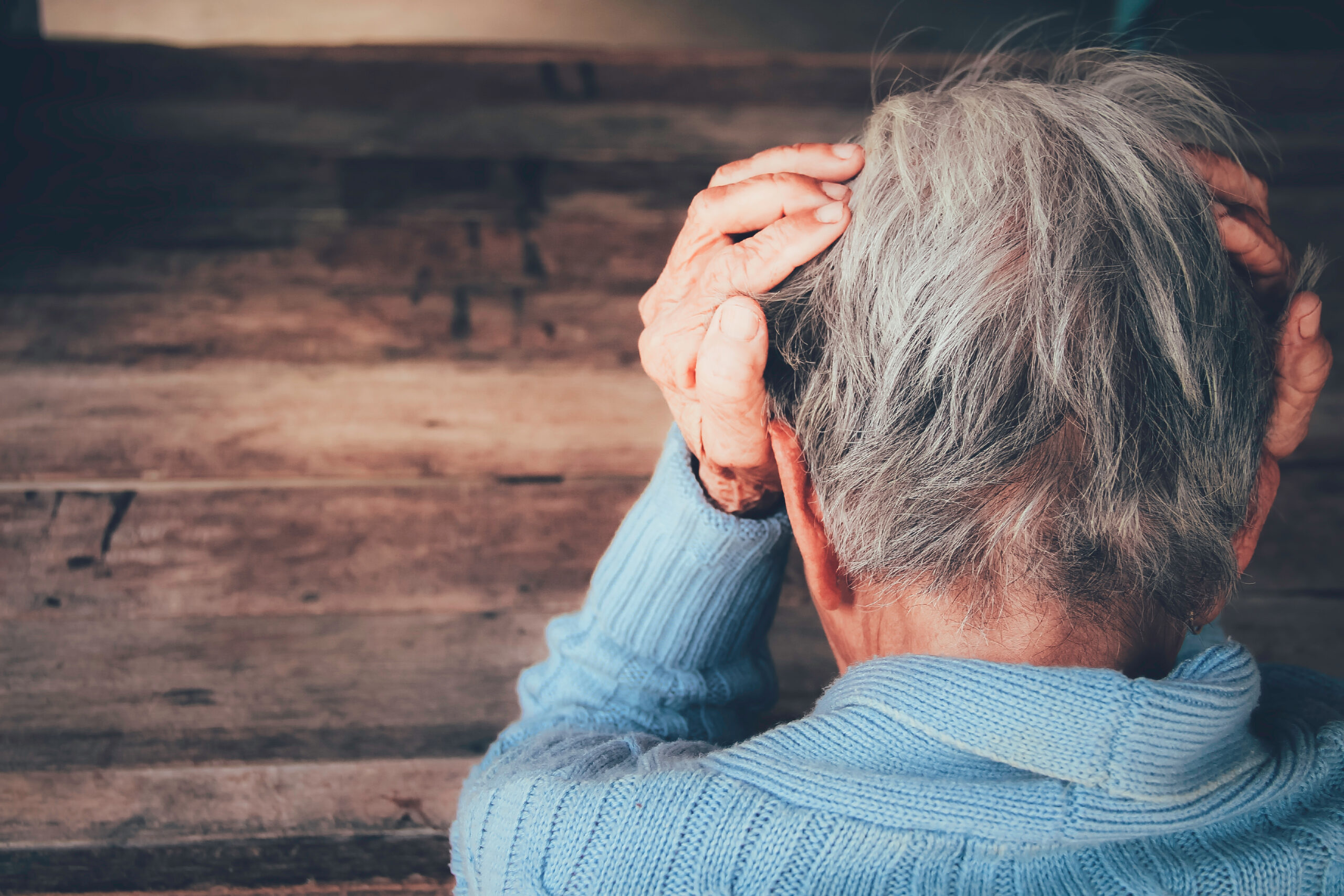
Depression often doesn’t announce itself with tears—it shows up as sleep that won’t repair you, a personality that feels “muted,” and a life that still looks fine from the outside.
Quick Take
- “Silent” depression commonly hides behind productivity, irritability, and chronic fatigue rather than obvious sadness.
- Researchers now break major depressive disorder into distinct symptom clusters, helping explain why one treatment helps one person and fails another.
- Sleep problems aren’t a side issue; persistent insomnia affects many people even after starting standard antidepressants and can drive relapse risk.
- Durable options for the hardest cases exist, including long-term neuromodulation results that don’t fit the usual “quick help, quick relapse” pattern.
Silent depression: the functioning person who feels nothing
Major depressive disorder can look like a person who keeps showing up—work, bills, family events—while privately losing the ability to feel pleasure, connection, or momentum. Many adults over 40 label it “burnout,” “getting older,” or “just stress,” because the stereotype says depression equals crying in bed. Real-world depression often flips that script: emotional flatness, irritability, indecision, and social withdrawal can replace visible sadness.
https://www.youtube.com/watch?v=eRXGwffy_90
The danger is delay. When someone can still perform, friends praise resilience and spouses assume the distance is personal. A high-functioning routine becomes camouflage, and shame fills the gaps: “I should be grateful.” From a clinical standpoint, that inner mismatch matters. If daily life feels like pushing a boulder uphill with no reward at the top, that’s not laziness. That’s a symptom profile worth naming and treating.
Feeling unwell? Chat with a doctor instantly.
Depression is not one illness; it’s a bundle of symptom systems
Psychiatry has long recognized what families already know: two people can both have “depression” and live in different worlds. Early 2026 research sharpened that reality by mapping major depressive disorder into an eight-factor structure: somatization, depression, sleep, anxiety, libido, insight, appetite, and suicide-related factors. That framing does something practical. It gives clinicians and patients a shared language for the parts that are driving suffering, instead of chasing a single score.
This matters because treatment isn’t magic; it’s matching. A person whose main problem is sleep disruption may respond differently than someone dominated by anxiety or suicidal thinking. Researchers have found that some symptom factors shift more during antidepressant treatment, while others at baseline can help predict who reaches remission over months. That’s the beginning of precision medicine in mental health: fewer guesses, more targeted decisions, and a clearer explanation when an early plan fails.
Free medical guidance, anytime. Start your chat today.
Sleep is the canary in the coal mine—and often the missing target
Sleep problems in depression aren’t just “I didn’t sleep well.” They can be the engine that keeps the disorder running: fragmented nights, early morning awakening, racing rumination, or a body that sleeps but never recharges. Research highlighted a stubborn gap: a large portion of patients still have clinically relevant insomnia symptoms even while taking common antidepressants like SSRIs and SNRIs. When sleep stays broken, daytime coping breaks next.
https://www.youtube.com/watch?v=lXZ5Bo5lafA
Common sense aligns with the science here. A brain deprived of restorative sleep loses emotional regulation, patience, and impulse control. That can raise conflict at home, increase mistakes at work, and intensify hopeless thinking. Clinically, insomnia also tracks with relapse risk. Treating depression without directly addressing sleep can be like fixing a roof leak but ignoring the hole in the gutter that keeps pouring water back onto the shingles.
What’s new in 2026: combination strategies and sleep-targeted drugs
Early 2026 brought more movement toward combination approaches rather than the old “one pill and wait” routine. New Phase 3 data presented on lumateperone (CAPLYTA) alongside antidepressants reflects a broader shift: clinicians increasingly treat inadequate response as a predictable problem that deserves a structured next step. Patients should hear that as validation. Needing an add-on does not mean you “failed” treatment; it means your symptom profile likely needs more than one lever.
Sleep-targeted adjunctive research also gained attention, including analyses of seltorexant added to SSRI/SNRI treatment in people with depression and insomnia symptoms, compared against another adjunctive option. The clinical promise is straightforward: improve sleep in a way that supports mood recovery rather than fighting against it with next-day grogginess. The policy question that follows is equally straightforward: will insurers treat sleep-focused depression care as essential, or as optional?
Chat confidentially with an AI doctor now.
When depression is treatment-resistant, durability beats hype
The most sobering group in any depression conversation is the treatment-resistant population: people who have cycled through medications, therapy, and lifestyle changes while life keeps shrinking. This is where flashy claims can do harm, because disappointment compounds despair. Long-term data on vagus nerve stimulation adds a different kind of hope—quiet, slow, and stubborn. In difficult cases, sustained benefit over many months matters more than quick change that fades.
RECOVER trial findings point to a distinctive trajectory: some people who improved by 12 months maintained that benefit later, and some who didn’t show meaningful benefit early went on to improve by 24 months. That timeline challenges the consumer mindset that “if it doesn’t work fast, it doesn’t work.” For conservatives who value reality over marketing, this is the sane takeaway: measure outcomes, reward durability, and stop treating mental health like a trend cycle.
Real joy isn’t a slogan; it’s a set of recoverable functions
People chasing “joy” often picture constant happiness. Clinically, recovery looks more practical: sleep that restores, interest that returns, concentration that holds, relationships that don’t feel like work, and a future that seems plausible again. Family psychoeducation also shows promise in improving symptoms and household well-being, reinforcing a truth older Americans already understand: environment matters. A supportive home can’t replace medical care, but it can stop adding friction.
Limited time and money push many adults toward shortcuts. The smarter path is structured: identify the dominant symptom cluster, treat sleep directly when it drives the problem, reassess at set intervals, and escalate thoughtfully when needed. Suicidal risk, especially in adolescents, demands urgent professional care and evidence-based options. For everyone else, the quiet win is earlier recognition. “Silent” depression stays powerful when it stays unnamed.
Recovery rarely feels dramatic in the moment. One day you notice you laughed without forcing it. You finish a task without bargaining with yourself. You sleep and wake up less afraid of the day. That’s not inspirational fluff; that’s brain function returning. The modern research story of depression is not that we’ve “solved” it. The story is that we’re finally getting better at seeing which parts are broken—and fixing the right parts first.
Sources:
https://www.jnj.com/media-center/press-releases/johnson-johnson-elevates-leadership-in-depression-with-new-data-at-2026-american-college-of-neuropsychopharmacology-annual-meeting
https://www.psychiatrictimes.com/view/major-depressive-disorder-research-roundup-january-23-2026
https://clinicaltrials.ucsf.edu/depression
https://med.uth.edu/psychiatry/2026/01/20/long-term-benefit-in-the-most-difficult-cases-of-depression-new-evidence-supporting-vagus-nerve-stimulation/
https://compasshealthcenter.net/blog/new-study-finds-brief-partial-hospitalization-significantly-reduces-depression-and-anxiety-in-adults/
https://lifestance.com/blog/new-depression-treatments-2026/
https://www.psychiatryredefined.org/the-tipping-point-in-psychiatry-road-to-2026/
https://medicine.washu.edu/news/implant-provides-lasting-relief-for-treatment-resistant-depression/
https://www.psychiatry.org/news-room/news-releases/january-2026-issues-of-apa-journals