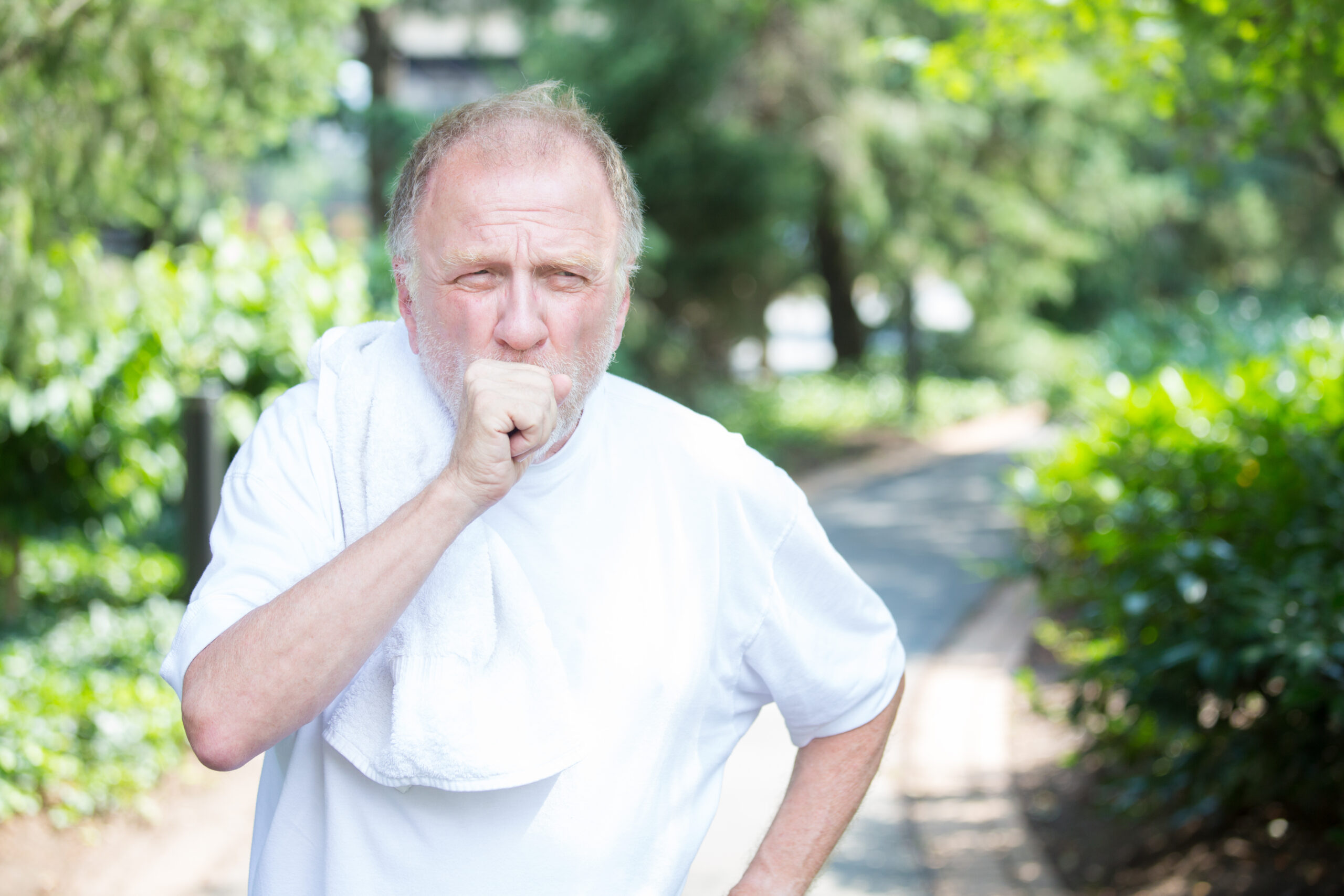
The benefits of exercise may be significantly eroded by polluted air, turning a seemingly healthy activity into a potential health risk.
Story Snapshot
- Long-term exposure to air pollution diminishes exercise benefits.
- Study analyzed data from over 1.5 million adults globally.
- Pollution threshold of 25 μg/m³ PM2.5 identified as critical.
- Exercise still beneficial, but air quality impacts health gains.
Air Pollution’s Impact on Exercise
Research conducted by an international team, including experts from University College London, reveals that air pollution significantly affects the health benefits of exercise. The study, published in BMC Medicine, synthesized data from over 1.5 million adults monitored for more than a decade across multiple countries. It shows that while exercise remains beneficial, air quality greatly influences the extent of these benefits. The study highlights the paradox where healthy behavior like exercise may inadvertently expose individuals to health risks from pollution.
The study’s findings are especially relevant as approximately 46% of the global population lives in regions where PM2.5 levels reach 25 micrograms per cubic meter or higher. This threshold marks a significant decline in exercise benefits. The research also finds that 36% of the global population lives in areas where PM2.5 averages exceed 35 μg/m³, further weakening exercise benefits, particularly for cancer-related mortality protection.
Got a health question? Ask our AI doctor instantly, it’s free.
Research and Findings
The study is distinguished by its large-scale, multi-national approach, combining data from seven existing studies conducted across the UK, Taiwan, China, Denmark, and the United States. The research provides clear pollution thresholds where exercise benefits decline sharply. It represents the first large-scale, long-term analysis quantifying how chronic exposure to polluted air reduces the mortality-protective benefits of regular exercise.
Professor Po-Wen Ku, the lead researcher from National Chung Hsing University, emphasized that exercise remains beneficial even in polluted environments but improving air quality can greatly enhance these health gains. Co-authors Professor Andrew Steptoe and Professor Paola Zaninotto from UCL highlighted the public health concerns about fine particle pollution and provided practical recommendations for optimizing exercise benefits despite pollution exposure.
Get personalized answers from your AI doctor.
Implications for Public Health and Policy
The research has significant implications for public health strategy. If air pollution continues at current levels, the protective effect of exercise could be substantially diminished in highly polluted regions. For those living in areas where PM2.5 pollution exceeded 25 μg/m³, the protective effect of exercise dropped from a 30% lower mortality risk to just 12-15%. This represents a 50-60% reduction in exercise’s protective benefit.
The findings directly affect approximately 82% of the global population exposed to concerning pollution levels, including major urban centers across Asia, Africa, and parts of Europe and North America. The research provides evidence-based justification for both individual mitigation strategies and systemic interventions, such as stricter air quality regulations and increased investment in pollution control measures.
Skip the clinic. Start your AI consult now.
Expert Perspectives and Future Directions
The research underscores the importance of improving air quality as a public health intervention alongside promoting physical activity. While exercise remains a vital component of a healthy lifestyle, the findings highlight the interconnected nature of environmental and personal health. The study calls for coordinated efforts between policymakers, public health agencies, and environmental protection organizations to address air pollution and its impact on public health.
The fitness industry may see increased demand for indoor exercise facilities in highly polluted regions, and there may be greater adoption of air quality monitoring technology and services. The research encourages individuals to check air quality, choose cleaner routes, or adjust exercise intensity on polluted days to maximize health benefits. The study’s publication in a peer-reviewed journal like BMC Medicine validates its findings and positions it as a critical piece of evidence in the ongoing dialogue about air pollution and public health.
Sources:
Systematic review of cardiovascular adaptations to exercise in air pollution
BMC Medicine study on air pollution’s impact on exercise benefits
EPA review of exercising outside in air pollution
Research on behavioral responses to air pollution during exercise