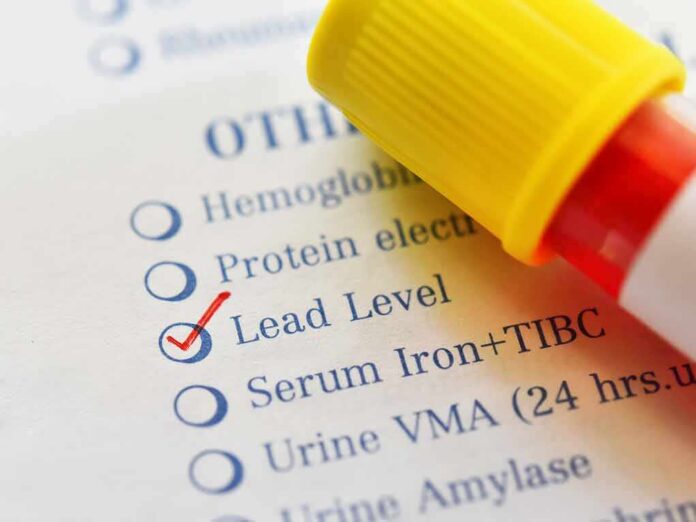
The more we test, the more we worry—and too often, the less we actually help our health.
Story Snapshot
- Direct-to-consumer tests can mislead and trigger needless care.
- Federal warnings flag false positives, shaky claims, and anxiety risk.
- Professional groups say results rarely prove disease risk on their own.
- Smart testing means clinical validity, medical guidance, and restraint.
What regulators keep warning about
The Food and Drug Administration (FDA) says do-it-yourself medical tests come with risks. The agency explains that these reports may empower people, but they can also mislead and cause harm if used without medical guidance. Years of oversight show why. Federal officials told Congress that some direct-to-consumer genetic tests used faulty data analysis and made exaggerated claims. Those gaps can push people toward bad health choices they would not otherwise make.
Warnings did not stop at marketing hype. The Food and Drug Administration has challenged products that appear to be medical devices sold without needed clearance. The point is simple: when a test guides health decisions, the data must be reliable, traceable, and clinically meaningful. If not, people can chase ghosts—extra scans, extra biopsies, extra bills—while real risks remain unaddressed.
Why a “yes” on a test can still be a bad answer
False positives are the quiet engine of overdiagnosis. Many consumer tests lack strong analytical and clinical validity. That means they can report problems that are not there or miss ones that are. Each wrong signal can spark fear and set off a chain of follow-up tests and treatments that carry their own risks. The American Heart Association states that these tests usually do not confirm whether a disease will or will not occur. A positive hit can still lead to unneeded procedures.
Even “raw data” downloads do not fix the problem. Tools that scan for rare genetic variants often stumble on the rare calls. Common variants are easier to detect; rare ones can be wrongly flagged. People then show up in clinics convinced they carry a dangerous mutation, only to learn the lab or method could not support that claim. That gap turns a report into a stress test for families and doctors alike.
The cost of acting on shaky signals
Downstream care is not free. A single false alarm can lead to imaging, specialist visits, and sometimes invasive procedures. Anxiety also takes a toll. Legal and medical reviews have long warned that consumers may change diets, stop needed drugs, or start risky supplements based on misread or low-quality results. Public health bodies caution that partial testing panels can give false reassurance, since they often skip many meaningful variants for a condition.
This spiral creates a policy puzzle. Direct-to-consumer companies market access and autonomy. Yet healthcare law places strict rules on medical claims for a reason: claims steer behavior. Scholars describe loopholes that let testing sellers advertise big health value without the same guardrails doctors must follow. Consumers end up bearing the risk if the promise outruns the proof.
How to use testing without letting it use you
Think like a pilot, not a passenger. Ask three questions before any test: What action will I take based on a positive? How often is that positive wrong? What outcome improves if I act now versus wait? If the answers are vague, skip it. Medical groups outline clear protections: prove the gene-disease link, accredit the lab, secure informed consent, and include qualified experts to explain what a result does and does not mean.
Doctors are not gatekeepers to block you; they are guides to help you avoid harm. Bring any consumer test result to a clinician who can order a confirmatory test in a certified lab and place it in context of your history, family risk, and symptoms. That approach respects personal choice while honoring common-sense values: evidence before action, responsibility before expense, and prevention without panic. More testing is not the goal. Better testing—and wiser decisions—is.
Sources:
time.com, fda.gov, academic.oup.com, via.library.depaul.edu, ahajournals.org, genomicseducation.hee.nhs.uk, pubmed.ncbi.nlm.nih.gov, pmc.ncbi.nlm.nih.gov, onlinelibrary.wiley.com