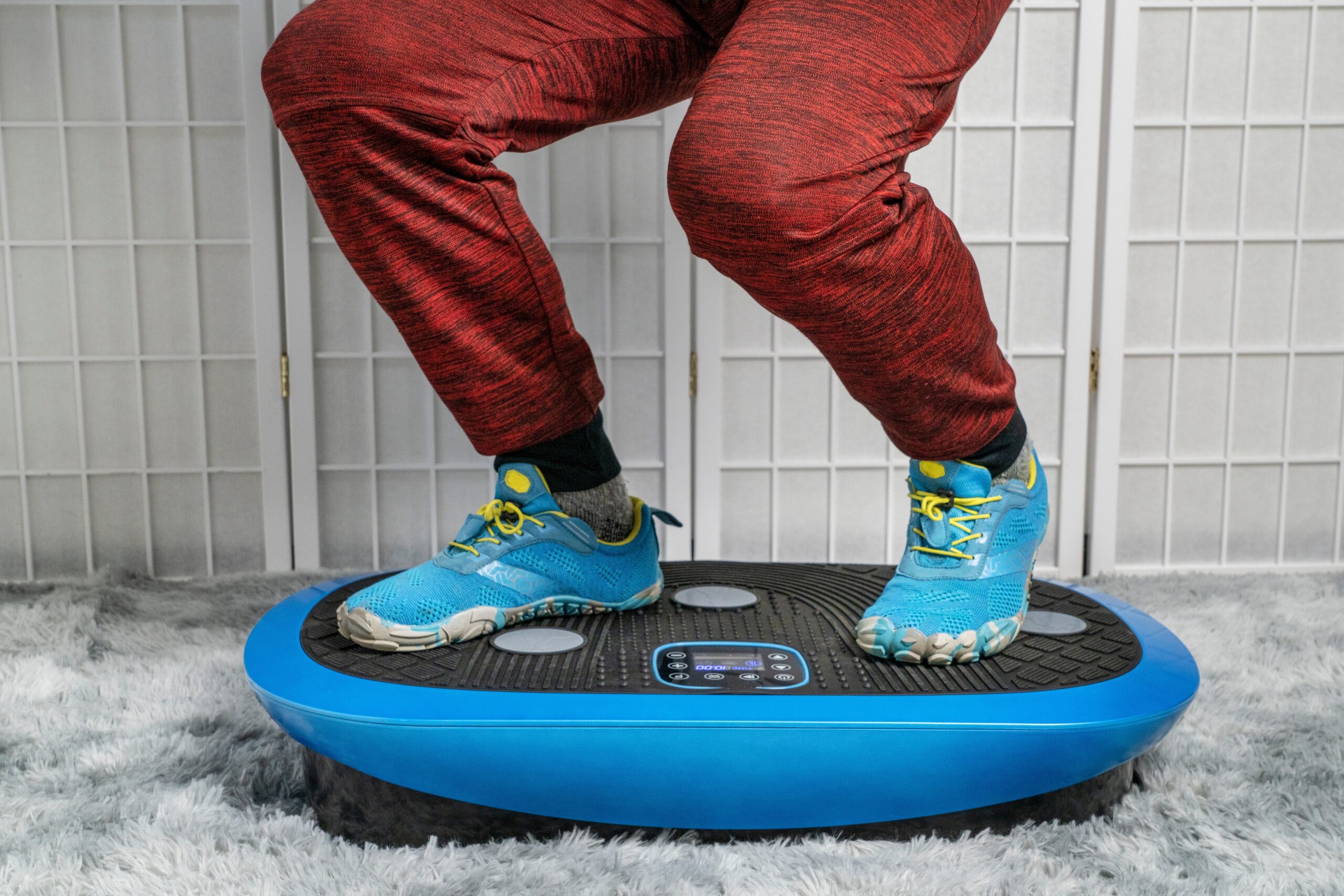
The scale can climb precisely when your new workouts start “working,” because your body holds water like it’s stocking a storm cellar.
Quick Take
- The most common culprit is new muscle plus water retention from glycogen storage and post-workout inflammation.
- Exercise can quietly raise appetite, and “healthy” foods still count if portions creep upward.
- Supplements—especially sugary powders and creatine—can add calories or temporary water weight.
- Sleep loss and chronic stress can tilt hormones toward cravings and belly-fat storage.
- Persistent gain despite consistent habits can signal thyroid, insulin, or other medical issues worth checking.
The scale jump that makes people quit is often a normal training response
People expect a simple bargain: exercise plus healthier meals equals steady weight loss. Then week two hits, jeans feel the same, and the scale flashes a higher number. That moment breaks motivation because it feels like betrayal. The body, however, doesn’t “read” the bathroom scale; it reacts to stress, repair, and fuel needs. Early in a new routine, those reactions often add temporary weight even as health improves.
https://www.youtube.com/watch?v=fNnyqUwX7YU
Strength training and even brisk cardio create microscopic muscle damage that your body repairs. Repair requires inflammation, and inflammation pulls in water. Add the fact that trained muscles store more glycogen—your go-to fuel for harder sessions—and you get more water bound inside the muscle. This is why you can look a touch tighter, feel stronger, and still weigh more for a stretch. The scale measures mass, not progress.
Your path to real weight loss starts here, chat now.
Muscle and glycogen: the “heavier but smaller” illusion people forget
Muscle tissue packs more densely than fat. That doesn’t mean “muscle weighs more than fat” in a literal pound-to-pound sense; it means the same weight takes up less space. So recomposition can make you firmer with little scale change—or even a gain. Glycogen adds another twist: as training becomes regular, muscles store more carbohydrate for performance, and each gram of stored glycogen brings water along for the ride.
That water weight can stick around longer than people expect, especially if workouts keep increasing in intensity or volume. Beginners often stack “good choices” all at once—lifting, intervals, long walks—then wonder why the scale won’t cooperate. The more you train, the more your body stays in a repair-and-refuel cycle. This isn’t a moral failure or a broken metabolism; it’s physiology. The mistake is treating temporary water as permanent fat.
Find out if GLP 1 medication is right for you.
The sneaky calorie creep: “healthy” can still be too much
Exercise increases hunger for many people, and hunger makes portion sizes “flexible.” A handful of nuts becomes two. The protein smoothie gets peanut butter, honey, and a second banana because you “earned it.” Many packaged fitness foods—bars, cereals, flavored yogurts, sports drinks—carry hidden sugars and calories that land like dessert with better marketing. Common sense applies: if total intake rises above needs, fat loss stalls, regardless of food labels.
https://www.youtube.com/watch?v=4k3qoIFrZmc
This is where the conservative, no-nonsense approach wins: measure something real for a week. Track portions, liquid calories, and weekend eating. Most people don’t need extreme dieting; they need honesty about totals. The goal isn’t punishment, it’s clarity. If you lift more, you may need slightly more food. If you add that food on top of what you already ate, the scale may climb. The arithmetic still matters, but it’s not the whole story.
Supplements and “performance” products: help, hype, and hidden weight
Supplements can be useful, but they’re also a classic place where good intentions turn into extra calories. Some protein powders and pre-workouts come loaded with sugar and add-ons that turn a simple shake into a 400-calorie snack. Creatine, one of the most studied performance supplements, can increase water held in muscle cells for many users. That can be fine—performance may improve—but it can also confuse anyone who expects the scale to drop immediately.
Use a basic rule: if you can’t explain why you’re taking it, pause. Older lifters especially should treat supplements like any other purchase—read the label, count the calories, and skip the “proprietary blend” mystery dust. Supplements don’t replace disciplined meals, sleep, and progressive training. They also don’t override biology; they ride on top of it. If the scale trend is the only scoreboard, supplements can make a good plan look like failure.
Sleep, stress, and hormones: the unglamorous reasons weight sticks
Sleep undercuts fat loss in two ways: it ramps up cravings and it chips away at training quality, which reduces the “afterburn” people count on. Chronic stress adds its own problem—cortisol, a hormone that can nudge appetite higher and encourage fat storage around the midsection. Adults over 40 often juggle work pressure, caregiving, and choppy sleep. That mix can overpower a “pretty good” diet and three weekly workouts without anyone realizing the real bottleneck.
The fix isn’t trendy; it’s structured. Set a bedtime like an appointment. Keep caffeine earlier. Build a walking habit that lowers stress without adding more recovery demands. If you do that and weight still climbs steadily for weeks, take the problem seriously rather than blaming willpower. This is where personal responsibility includes getting medical eyes on the situation—because sometimes the issue isn’t effort, it’s an underlying condition.
Safe science based weight loss no guesswork.
When to stop guessing and talk to a clinician
Weight gain that persists despite consistent training, reasonable portions, and adequate sleep can signal issues such as hypothyroidism, insulin resistance, or PCOS. Medications can also change appetite or fluid balance. A practical threshold: if you’ve held a steady routine for several months, tracked food honestly for a couple weeks, and the trend still moves the wrong direction, ask for evaluation. Ruling out medical causes protects you from endless self-blame and wasted time.
People also need better scoreboards. Use waist measurement, how clothes fit, progress photos, workout performance, resting heart rate, and energy levels. The scale can stay, but it belongs in the back seat. If your lifts climb, your waist shrinks, and your blood pressure improves, you’re winning—even if the scale throws a tantrum. The real trap is quitting during the water-weight phase, right before the body settles and results become obvious.
Consistency beats drama. Keep training, tighten portions where they drift, sleep like it matters, and treat supplements as optional tools—not magic. The scale will eventually reflect the changes you’ve already earned, but only if you stay long enough for water and inflammation to calm down and for habits to settle into something sustainable. That’s the part nobody sells, yet it’s the part that works.
Sources:
https://www.goodrx.com/well-being/movement-exercise/gaining-weight-while-working-out
https://www.anytimefitness.com/blog/revealed-the-top-reasons-you-may-be-gaining-weight-while-working-out
https://www.morelandobgyn.com/blog/i-eat-healthy-why-am-i-gaining-weight
https://www.unitypoint.org/news-and-articles/surprising-causes-of-weight-gain-and-when-to-worry
https://www.nhs.uk/conditions/obesity/causes/
https://my.clevelandclinic.org/health/symptoms/unexplained-weight-gain
https://www.orlandohealth.com/content-hub/10-surprising-eating-habits-that-are-making-you-gain-weight/