One whiff of truly bad breath can erase decades of trust in seconds—and yet, most people have no clue just how fixable their halitosis really is.
Quick Take
- Dental science confirms oral bacteria are the root cause of most bad breath, not just “bad hygiene.”
- Consumer reviews and dental experts now agree: specific products like tongue scrapers and antibacterial rinses make a measurable difference.
- Persistent halitosis can signal deeper health concerns, requiring more than just minty cover-ups.
- The $10 billion oral care industry is racing to innovate with evidence-backed solutions and expert endorsements.
Halitosis: The Ancient Problem With a Modern Spotlight
Halitosis isn’t just the accidental byproduct of a garlic-heavy lunch or skipped brushing—it’s a social liability that predates recorded history. Ancient Egyptians concocted chew sticks, and medieval physicians diagnosed “foul breath” as a sign of moral decay. Today, bad breath carries a stigma that can torpedo job interviews, romantic prospects, and even family harmony. But as dental science demystifies what’s really going on inside our mouths, new solutions are emerging that target the true villains: bacteria lurking on the tongue and gums, not just last night’s dinner.
Modern research reveals that up to 85% of persistent bad breath originates on the tongue, where bacteria feast on food particles and shed sulfurous compounds. This isn’t just a cosmetic nuisance; it’s a biological process that won’t yield to mints or mouth sprays. The COVID-era uptick in mask-wearing made millions of people acutely aware of their own oral odors, sparking a surge in demand for actually effective solutions. Product manufacturers and dental experts have stepped up, pushing the conversation beyond “brush and floss” toward targeted tools like tongue scrapers, rinses with proven antibacterial agents, and even probiotics designed for the mouth.
Expert and Consumer Consensus: What Works (And What Doesn’t)
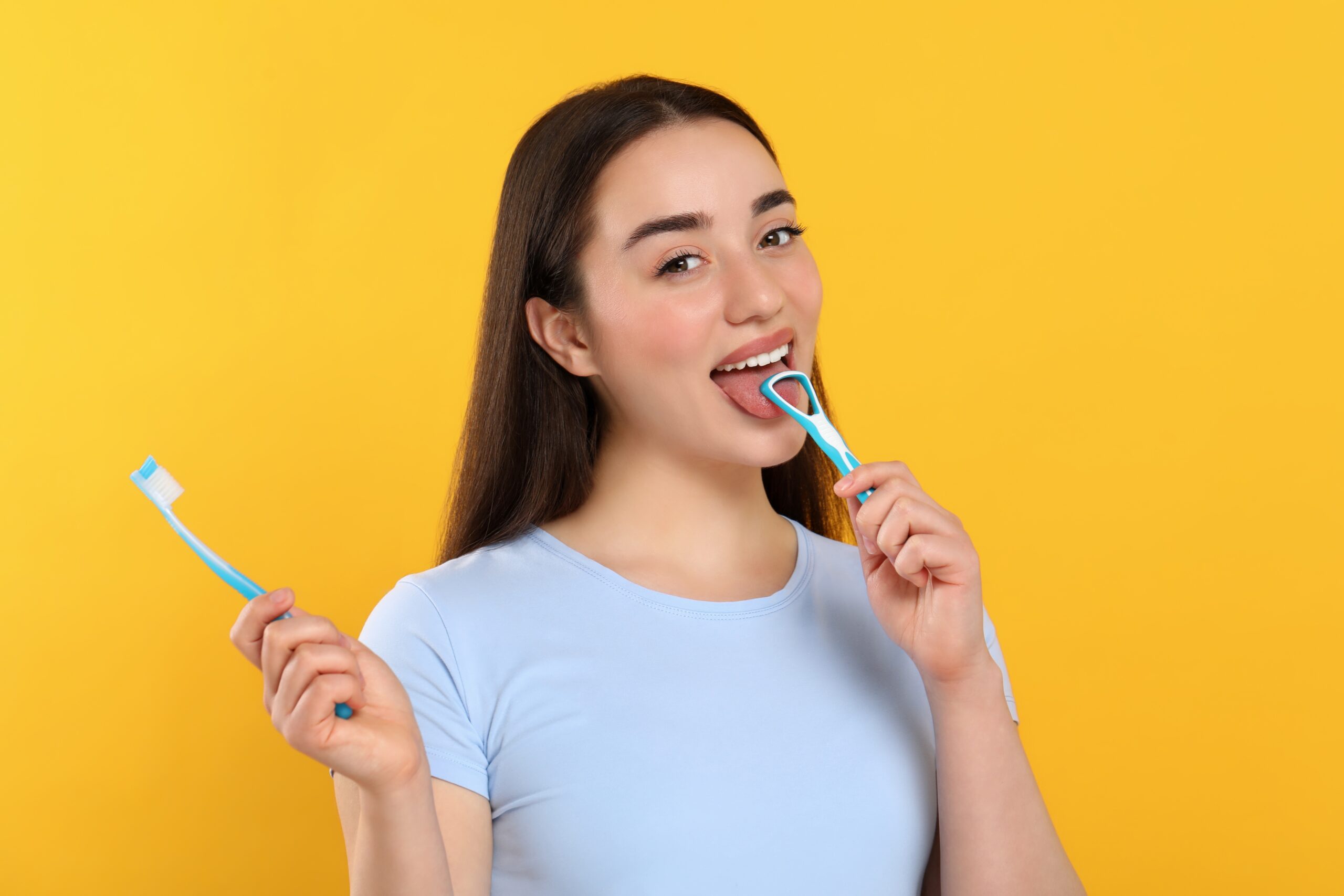
Dental professionals and seasoned product reviewers now converge on one key point: if you want to banish bad breath, you have to go after the bacteria—not just mask the smell. Tongue scrapers, once considered an oddity, are now a staple in dentist-recommended routines, thanks to their ability to physically remove bacterial biofilm where odor compounds thrive. Antibacterial mouthwashes containing chlorhexidine or cetylpyridinium chloride have earned high marks in both clinical studies and user reviews for their staying power against morning breath. The new wave of probiotic rinses isn’t just hype; emerging evidence suggests they can tip the balance of oral microbes toward less odor-producing strains. But experts warn: if your bad breath persists despite meticulous hygiene, it could be an early flag for systemic issues like diabetes, reflux, or even liver disease.
Online review forums and health journalism have democratized the quest for fresh breath. HuffPost’s curated lists are notable for blending real-world user feedback with dentist input, shining a light on products that deliver more than fleeting freshness. Consumers are savvier than ever, scanning ingredient lists for evidence-based actives and dismissing old-school remedies that fail under scrutiny. The consensus is clear—science-backed solutions are replacing folk wisdom, and the market is responding with innovations at breakneck speed.
The Business of Breath: Markets, Motivations, and Medicine
The $10 billion oral care industry is no longer content to sell peppermint illusions. As consumers demand proof, companies are racing to patent new formulas and technologies. Dental professionals, meanwhile, see an opportunity—and a responsibility—to educate patients about the links between oral health and overall well-being. HuffPost and similar outlets act as trusted brokers, translating complex research into actionable advice for readers who just want to avoid that awkward “Did you eat onions?” conversation. The power dynamic is shifting: dentists and informed consumers now drive product innovation, while manufacturers scramble to keep up with demand for real results.
Health authorities reinforce that chronic halitosis isn’t just a social faux pas; it’s a potential warning sign. Professional associations urge anyone with persistent bad breath to seek a dental evaluation before reaching for another bottle of mouthwash. Behind the scenes, researchers are mapping the oral microbiome, searching for new ways to tame the bacterial culprits without upsetting the delicate ecosystem of the mouth. Every fresh breath is a small victory in a centuries-old struggle—one that’s finally yielding to facts, not folklore.
What’s Next? The Long-Term Stakes of Fresh Breath
Short-term, the impact of these advances is unmistakable: more people are seeking—and finding—real relief, with sales of dentist-endorsed products climbing steadily. Long-term, the stakes are even higher. As public awareness grows, the stigma of bad breath may diminish, replaced by a culture of prevention and self-care. Oral hygiene is poised to become as routine and respected as skin care, with regular tongue cleaning and targeted rinses joining the daily regimen for millions. Dental experts predict that these shifts could lower the overall prevalence of halitosis and improve quality of life for countless individuals previously sidelined by embarrassment.
The broader industry is watching closely. As evidence-based marketing takes center stage, oral care brands must compete not just on flavor or packaging, but on demonstrated efficacy. The next frontier? Microbiome-friendly formulas, personalized oral health plans, and seamless integration with telehealth dentistry. For those who once accepted bad breath as an unavoidable fate, the message from dentists and reviewers alike is unambiguous: science has your back, and the solutions are finally within reach.
Sources: