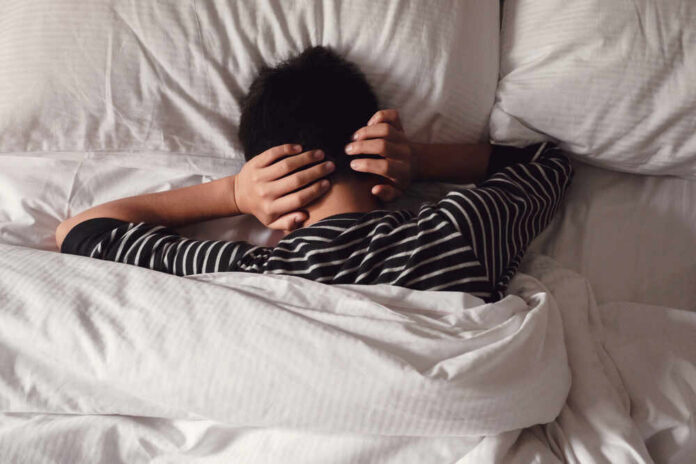
That innocent glow in your child’s bedroom might be quietly sabotaging their health in ways that reach far beyond a restless night.
Story Snapshot
- Night lights suppress melatonin production even through closed eyelids, disrupting natural sleep cycles and linking to obesity, heart disease, and cancer risks
- A debunked 1999 study created panic about myopia, but modern research confirms real dangers: blue and bright lights elevate heart rate and blood pressure during sleep
- CDC data reveals blind individuals have roughly 50% lower cancer rates than light-perceiving people, highlighting artificial light’s physiological toll
- Red or amber night lights offer safer alternatives for anxious children, while blackout conditions remain the gold standard for optimal sleep
The Hidden Cost of Childhood Comfort
Parents install night lights with the best intentions, believing a soft glow shields children from nighttime fears. The human body, however, evolved under a different contract with darkness. For millennia before Edison’s bulb, complete darkness signaled the brain to flood the body with melatonin, the hormone governing sleep cycles and cellular repair. Modern bedrooms betray this ancient rhythm. Even dim light penetrates eyelids, confusing the suprachiasmatic nucleus—your brain’s master clock—into suppressing melatonin production. This biological confusion triggers a cascade of consequences that researchers are only beginning to quantify fully.
When Science Created Panic Then Reversed Course
In 1999, a Nature study ignited parental hysteria by claiming children sleeping with night lights faced 34% myopia rates versus 10% for those in darkness. Room lights supposedly pushed the risk to 55%. Pediatricians fielded panicked calls for months. The alarm proved false. Follow-up research exposed a fatal flaw: nearsighted parents, who genetically predispose children to myopia, were more likely to use night lights because of their own vision struggles. Dr. Rupa Wong, a pediatric ophthalmologist, spent years reassuring families that genetics, not illumination, determined their children’s eyesight. This myth’s collapse, however, distracted from legitimate emerging evidence about light’s impact on broader health markers.
The Melatonin Deficit and Disease Connection
University of Connecticut researchers discovered that preschoolers exposed to 1,000 lux of light before bedtime experienced melatonin suppression lasting over an hour after darkness returned. The Sleep Foundation documented how even subtle nighttime light exposure correlates with elevated heart rates and blood pressure during sleep, stressing cardiovascular systems meant to rest. The CDC provided perhaps the most striking evidence: blind individuals unable to perceive light demonstrate approximately 50% lower rates of breast and other cancers compared to sighted populations. Shift workers, perpetually battling circadian disruption, show higher all-cause mortality. Women sleeping with televisions or bright lights face measurably greater obesity and weight gain risks. These aren’t correlations plagued by confounding variables—they represent biological mechanisms now well understood.
Blue Light Bears the Heaviest Blame
Not all wavelengths assault sleep equally. Dr. Brian Chen from Cleveland Clinic emphasizes that blue light, mimicking midday sky frequencies, delivers the most potent melatonin suppression. Digital clocks, televisions, and many LED night lights broadcast these disruptive wavelengths directly into sleeping faces. Amber and red lights, residing at the spectrum’s opposite end, minimally interfere with melatonin production. This distinction matters tremendously for parents unwilling to subject fearful toddlers to complete darkness. A dim red bulb positioned low and distant from the bed provides navigational visibility without biological sabotage. Auto-off timers further limit exposure, allowing children to fall asleep with comfort before darkness takes over.
Practical Solutions Beyond Throwing Away Night Lights
Absolute darkness remains the scientific ideal. Blackout curtains block street lamps and early sunrise. Covering standby lights on electronics with electrical tape eliminates ambient glow. Sound machines can replace visual comfort objects for anxious children, offering white noise without photons. For families requiring compromise, salt lamps with amber bulbs or dedicated red night lights for hallways enable bathroom trips without flooding retinas with wake-inducing wavelengths. The transition requires patience. Abruptly removing a beloved night light can backfire, creating fear that disrupts sleep more than the light itself. Gradual dimming or repositioning the light farther from the child’s face offers a middle path respecting both biology and psychology.
The Bigger Picture of Light Pollution
Individual bedrooms exist within a larger cultural problem. Urban light pollution erases stars and confuses wildlife migration patterns, but it also seeps through windows into millions of homes. Shift work, mandatory for healthcare workers, manufacturers, and emergency responders, forces circadian rebellion with measurable mortality costs. The economic burden from obesity, heart disease, and depression linked to disrupted sleep cycles runs into billions annually. As manufacturers respond to consumer awareness, the market shifts toward circadian-friendly lighting. Blue-light-blocking glasses, red spectrum bulbs, and dimmable smart lights proliferate. These adaptations acknowledge a simple truth: humans remain biological creatures poorly adapted to perpetual artificial day. Honoring our evolutionary heritage with darkness doesn’t require abandoning modernity—it requires smarter choices about when and how we illuminate our nights.
The debate over night lights has matured beyond myths about myopia into evidence-based discussions of melatonin, cancer, and cardiovascular health. Parents now choose from a spectrum of options rather than facing a false binary between fear and health. The science delivers a clear message: minimize blue and bright light, maximize darkness, and when compromise is necessary, lean toward red wavelengths positioned thoughtfully. Your child’s developing circadian system will thank you with better sleep, steadier moods, and a foundation for long-term wellness that a plastic glow-in-the-dark star simply cannot provide.
Sources:
Sleeping With the Lights On – Sleep Foundation
The Problem With Night Lights (and Better Solutions) – Wellness Mama
Do Nightlights Cause Nearsightedness – Dr. Rupa Wong
Can a Nightlight Impact Your Child’s Sleep – Cleveland Clinic
Light at Night Can Disrupt Circadian Rhythms in Children – UConn Today
Should You Use a Night Light in Your Child’s Room – Baby Sleep Science