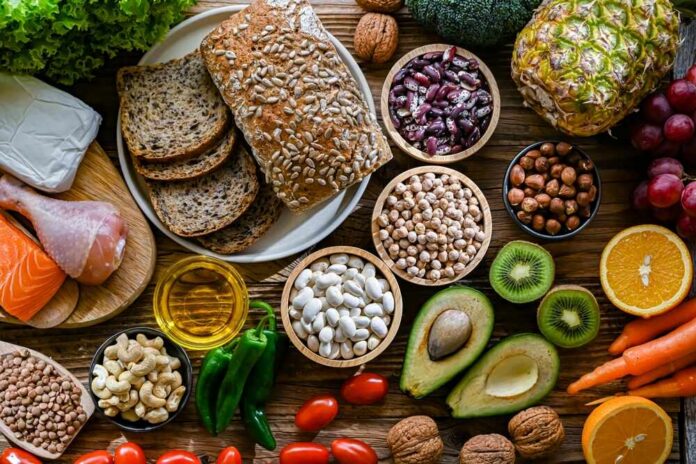
The foods you eat during perimenopause and menopause can reduce your fracture risk by up to 30 percent while preserving the muscle mass that typically vanishes during hormonal decline.
Story Snapshot
- Calcium-rich foods and lean proteins form the foundation for preventing osteoporosis and muscle loss during hormonal transitions affecting one billion women globally
- Phytoestrogen-containing foods like soy and flax mimic estrogen’s protective effects on bones while fiber-rich diets cut hot flash frequency by 20 percent
- Omega-3 fatty acids from oily fish address inflammation and mood instability linked to estrogen decline during perimenopause starting in the 40s
- Plant-forward dietary patterns offer potential healthcare savings exceeding 100 billion dollars annually by preventing fractures and chronic diseases in postmenopausal women
The Hormonal Shift Demanding Nutritional Response
Perimenopause typically begins between ages 40 and 50, triggering estrogen decline that fundamentally alters how women’s bodies process nutrients, maintain muscle, and protect bones. The average woman reaches menopause at 51, but the transition period spans years of fluctuating hormones that increase inflammation, accelerate bone density loss, and promote weight gain concentrated around the abdomen. One-third of postmenopausal women develop osteoporosis, while sarcopenia threatens functional independence through muscle deterioration that begins silently during the perimenopausal years.
Calcium and Vitamin D: The Bone Protection Priority
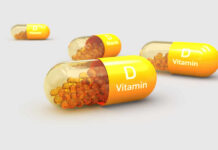
Cleveland Clinic and medical nutrition authorities universally prioritize calcium and vitamin D as non-negotiable nutrients for women navigating hormonal transitions. Dairy products, leafy greens like kale and collards, and fortified plant milks deliver the calcium needed to counteract accelerated bone loss when estrogen protection wanes. Vitamin D enhances calcium absorption, creating a synergistic effect that clinical evidence links to 20 to 30 percent reductions in fracture risk. Women avoiding dairy due to lactose intolerance find equally effective alternatives in tofu, white beans, and calcium-fortified orange juice.
Protein’s Critical Role in Muscle Preservation
Lean proteins emerge as essential weapons against sarcopenia, the age-related muscle loss that accelerates when estrogen levels drop. Fish, poultry, legumes, and Greek yogurt provide the amino acids necessary for maintaining muscle mass that supports metabolism, mobility, and strength. Recent emphasis from nutrition experts reflects 2025 research highlighting protein’s importance for preventing the weakness and frailty that diminish quality of life for aging women. The protein recommendation gains urgency as metabolism slows during menopause, making muscle preservation crucial for weight management and functional capacity.
Phytoestrogens: Plant Compounds Mimicking Hormones
Soy products, flaxseeds, and legumes contain phytoestrogens that weakly mimic estrogen’s effects in the body, offering modest symptom relief backed by observational studies from Asian populations with traditionally high soy consumption. Tofu, tempeh, edamame, and soy milk provide isoflavones that may support bone density and reduce hot flash severity, though individual responses vary based on gut bacteria capable of metabolizing these compounds. The evidence remains associative rather than definitive from randomized controlled trials, yet the safety profile and additional nutritional benefits make phytoestrogen-rich foods sensible dietary additions rather than pharmaceutical alternatives.
Fiber and Omega-3s: Addressing Symptoms and Inflammation
Whole grains, fruits, and vegetables high in fiber connect to reduced hot flash frequency through gut microbiome pathways documented in ZOE’s 2024 research linking digestive health to menopausal symptom severity. Fiber-rich diets demonstrated approximately 20 percent reductions in hot flash occurrence while supporting weight management and cardiovascular health. Omega-3 fatty acids from salmon, sardines, and mackerel combat the increased inflammation characteristic of estrogen decline, addressing joint pain, brain fog, and mood instability. These anti-inflammatory fats also protect heart health as cardiovascular disease risk rises sharply after menopause.
The Food-First Philosophy Versus Supplements
Medical authorities consistently advocate obtaining nutrients from whole foods rather than supplements, reflecting evidence that food matrices deliver superior absorption and synergistic benefits that isolated nutrients cannot replicate. Orlando Health dietitians and Cleveland Clinic physicians emphasize nutrient-dense eating patterns over pill-popping, acknowledging that supplements serve targeted roles for deficiencies but cannot substitute for balanced diets. The food-first approach carries economic advantages too, as functional food markets for soy and flax products grow 15 percent annually while offering broader nutritional value than single-nutrient capsules marketed to menopausal women.
Practical Implementation and Personalized Approaches
Plant-forward dietary patterns incorporating leafy greens at multiple meals, protein at each eating occasion, and oily fish twice weekly form the practical framework women can implement immediately. Whole grains replace refined carbohydrates for B vitamins supporting energy production when fatigue strikes during perimenopause. Personalized nutrition apps using glucose monitoring and AI algorithms tailor recommendations to individual responses, though the core principles remain consistent across approaches. The shift from hormone replacement therapy focus following the 2002 Women’s Health Initiative toward dietary interventions empowers women with accessible, low-risk strategies for managing symptoms and protecting long-term health.
The convergence of clinical evidence, expert consensus, and emerging research on gut health positions strategic eating as foundational medicine for the billion women worldwide navigating perimenopause and menopause. Anti-inflammatory foods, calcium-rich options, adequate protein, and phytoestrogen sources address the physiological challenges of estrogen decline without pharmaceutical risks. The potential healthcare savings from fracture prevention and chronic disease reduction underscore nutrition’s economic value beyond individual symptom relief, while the growing personalization trend promises increasingly precise dietary guidance for this unavoidable life transition every woman faces.
Sources:
Perimenopause Diet and Nutrition – Medical News Today
Foods for Perimenopause – GoodRx
Nutrition and Menopause – Academy of Nutrition and Dietetics
Foods to Soothe Your Menopause Blues – Orlando Health
Diet to Ease Menopause Symptoms – AARP
Menopause Diet – Cleveland Clinic
Perimenopause and Menopause Nutrition Tips – Dr. Eileen West
What Are the Best Foods to Eat – The Menopause Charity