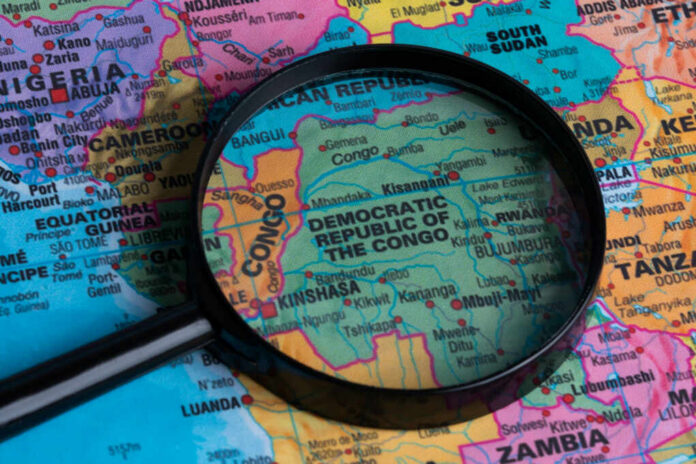
A grim number—131 dead—anchors a larger truth: early Ebola tallies are moving targets that can rise, fall, and mislead if treated as final.
Story Snapshot
- Congo’s health minister reported an estimated 131 Ebola deaths among 513 suspected cases, stressing the figures remain preliminary [1].
- Health agencies routinely adjust early outbreak numbers as suspected cases are confirmed, reclassified, or ruled out [2].
- Conflict, mistrust, and access barriers in eastern Congo historically distort counts and slow control operations [3][4].
- Case fatality patterns in children during prior Congo outbreaks underscore the stakes if surveillance lags [4].
What officials said and why the number should not be treated as final
Congo’s health minister placed the Ebola death toll at an estimated 131 with 513 suspected cases, making clear these figures are provisional and subject to change as investigations continue [1]. Governments and the United States Centers for Disease Control and Prevention routinely publish suspected and probable case counts early because laboratory confirmation trails the speed of clinical spread and field reports [2]. Treating suspected tallies as fixed outcomes misreads the process; confirmation, deduplication, and classification shifts will adjust totals in both directions over days and weeks.
Readers should expect a moving denominator. Suspected cases can later test negative, some deaths can be reattributed, and silent chains may surface as contact tracing catches up. During past Ebola events, health ministries and the United States Centers for Disease Control and Prevention updated dashboards repeatedly, not as backpedaling, but as routine epidemiology in hard terrain [2]. The lesson is simple: follow the trendline and the ratio of confirmed to suspected cases rather than anchoring to any single headline figure.
Why Congo’s terrain, conflict, and mistrust skew early surveillance
Field teams in parts of eastern Congo navigate militia violence, roadblocks, and community skepticism, which delays patient transport and lab specimen movement. The 2018–2020 Kivu epidemic established how insecurity, attacks on clinics, and resistance to responders deformed the surveillance picture and slowed the rollout of countermeasures like vaccination and safe burials [3][4]. Those structural headwinds make undercounting plausible in the short term and create the exact conditions where a preliminary death toll, however careful, can still lag the facts on the ground.
Operational friction compounds clinical reality. Ebola often kills before laboratory confirmation arrives, while families, fearing stigma or outsiders, may avoid treatment centers. Reviewers of the Kivu epidemic documented elevated case fatality in children and noted extreme vulnerability in the youngest age groups, a tragic signal that late detection magnifies harm [4]. These patterns matter now: if outreach misses households or transport fails, the surveillance lens narrows, and the apparent stability of numbers can mask an accelerating curve just beyond reach of the reporting net.
How to read this outbreak through the lens of prior Congo epidemics
Historical baselines clarify the stakes without sensationalism. The United States Centers for Disease Control and Prevention’s outbreak history shows Congo has repeatedly endured Ebola events that began with provisional counts and ended with revised, vetted totals after months of work [2]. The Kivu epidemic grew into the second-largest Ebola outbreak ever recorded, instructing responders to front-load security planning, community engagement, and transparent data releases to dampen rumor and refusal [3]. Those lessons argue for rigorous field verification and unvarnished updates, even when numbers unsettle.
US doctor contracts Ebola in DR Congo as health officials evacuate exposed Americans amid worsening outbreak fears. https://t.co/4HCccBa7jo pic.twitter.com/E70Nfc01EH
— ARISE NEWS (@ARISEtv) May 19, 2026
Sound policy flows from clarity, not theater. Officials should continue labeling suspected and probable counts plainly, disclosing confirmation lags, and publishing age and location breakdowns as they emerge. Media should avoid treating provisional deaths as definitive. Citizens, donors, and lawmakers should press for secure corridors for lab logistics and community-led communication, which proved decisive variables in prior Congo responses [4].
Sources:
[1] Web – Kinshasa, May 19, 2026 (AFP) – Estimated DR Congo Ebola death …
[2] Web – Outbreak History | Ebola – CDC
[3] Web – Kivu Ebola epidemic – Wikipedia
[4] Web – The 2018/19 Ebola epidemic the Democratic Republic of the Congo …