Chris van Tulleken says ultra-processed food is driving today’s diet-related disease—and he lays out why.
Story Snapshot
- Van Tulleken’s Royal Institution talk framed ultra-processed food as a core cause of modern diet-related disease.
- Researchers link higher intake to broad health risks across many conditions.
- NOVA helps define what “ultra-processed” means for consumers and policymakers.
- U.S. policy agencies are now weighing a formal definition and next steps.
Van Tulleken’s Core Claim: A Food System That Rewired Eating
Chris van Tulleken stood at the Royal Institution and said the quiet part out loud: the rise of industrially made, ultra-processed foods now sits at the center of diet-related disease. He argues these products are engineered for overconsumption and displacement of real meals, not nourishment, and that is why they track with obesity and malnutrition at once. He does not hedge the scale. He calls it the main driver of the modern nutrition crisis, not a side issue or a niche risk.
His framing lands because the term is not a vibe; it has a definition. The NOVA system, used by many researchers, classifies ultra-processed foods as industrial formulations with many ingredients, including additives not used in home kitchens—flavorings, emulsifiers, and other compounds that change texture, color, and shelf life. That clarity matters. It lets scientists study exposure, link intake to outcomes, and show patterns across countries and age groups with shared grocery shelves and marketing playbooks.
What The Evidence Shows So Far
The research map has grown fast. A major umbrella review in a leading medical journal reported that greater exposure to ultra-processed foods is associated with higher risks of many adverse outcomes, with especially strong trends across heart and metabolic disease groups. Associations are not the same as lab proof of each mechanism, but the pattern is broad and consistent enough to demand attention. This is the same playbook public health used for tobacco and trans fats when early signals were strong.
Van Tulleken’s claim meets that moment. He points to the size of the shift in diets, the design of products for speed and bliss, and the way ready-to-eat goods crowd out cooking and fiber-rich staples. When most energy comes from factory foods built to be gulped, people eat faster, more often, and with less satiety. That is not a moral failing. That is a design feature, built to sell units, not health.
Why Definition Debates Now Shape Policy
Arguments over labels can feel academic, but the stakes are concrete. Agencies cannot guide schools, hospitals, or military bases without defining what counts. Researchers at Healthy Eating Research proposed a policy-ready definition that builds on NOVA and aims to help regulators and buyers set clear standards for procurement, warnings, and marketing limits. The mechanics may sound dry, yet they are how rules change which foods fill cafeterias and which ads target kids.
Washington has noticed. A recent Congressional Research Service brief summarized the surge of interest across federal health and agriculture agencies. It noted that research links exist, evidence across populations is still mixed on some outcomes, and policymakers are exploring labeling and marketing options while definitions firm up. That is how sensible governance should work: define the category, pilot changes, watch outcomes, and avoid capture by any industry that profits from confusion.
What This Means For Your Cart And Your Community
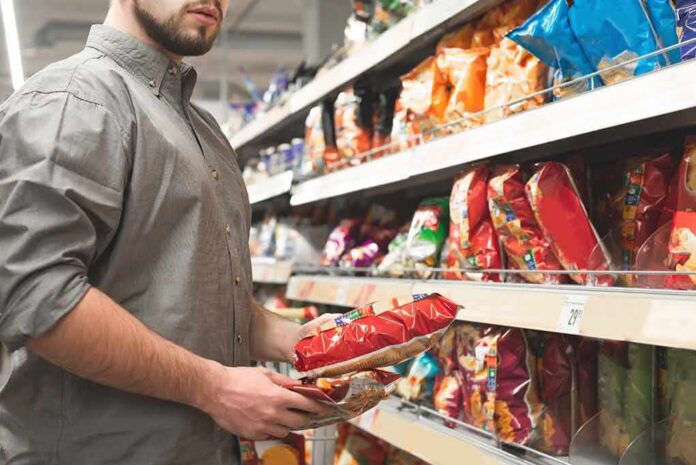
Shoppers want one rule they can use at 6 p.m. in a crowded aisle. A workable shortcut, echoed by van Tulleken in public talks, is this: if it is wrapped in plastic and lists ingredients your grandmother never stocked, treat it as ultra-processed and an occasional choice, not a staple. The point is not purity. The point is base rate. When most calories come from whole or minimally processed food, risk falls and meals regain texture, fiber, and time to chew.
Families, schools, and counties can move first. Replace ultra-processed snacks with fruit, nuts, cheese, boiled eggs, or simple sandwiches. Set default catering to real food. Ask district buyers to use the emerging definitions in contracts. That is a conservative value worth defending: local control, clear standards, and less dependence on distant factories. Better health, fewer sick days, and stronger budgets follow when we stop paying twice—once at checkout and again at the clinic.
Sources:
erictopol.substack.com, singjupost.com, podcasts.apple.com, wfpc.sanford.duke.edu, open.spotify.com