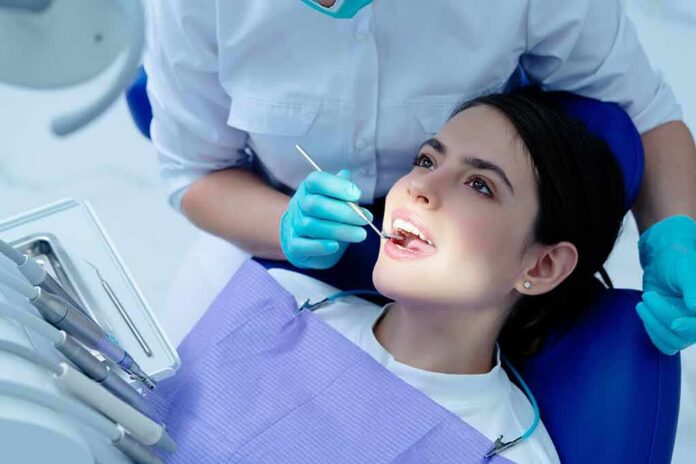
Your gums do not magically grow back—but the right “cures” can stop recession in its tracks and, in some cases, rebuild lost coverage with real, hands-on treatment.
Story Snapshot
- Gum recession is usually a symptom of deeper problems, not the main disease.
- Dr. Gurs Sehmi’s “five cures” are really five root causes that must be fixed.
- Mainstream dentistry says gum tissue does not regrow on its own once lost.
Why Gum Recession Is A Warning Sign, Not Just A Cosmetic Problem
Gum recession shows up like a slow leak in a house foundation. You first notice longer teeth, small black triangles between them, or sensitivity to cold. Many people shrug and think, “I’m just getting older.” That mindset is dangerous. Gum recession is usually a sign that something deeper is going wrong, often gum disease that is quietly destroying the bone and tissue holding your teeth in place. When the support fails, teeth loosen and can be lost.
Major medical centers list several common causes behind that shrinking gum line. Aggressive brushing with a hard brush, long term plaque buildup, chronic gum infection, trauma, and crooked or misaligned teeth all show up again and again as triggers. When teeth are not in the right position, or an implant or filling is placed poorly, the gum can be rubbed, inflamed, or pulled away over time. That is why recession is not one simple problem; it is the final outcome of many smaller hits to the same tissue.
Dr. Sehmi’s Five “Cures”: Fix The Cause Before You Fix The Gums
Dr. Gurs Sehmi’s core message lands on a vital clinical truth: before you try to fix the gum line, you must find and treat the thing that is damaging it. His five buckets are gum disease, overbrushing, crooked teeth, problems around implants, and issues from root canal or cracked tooth areas. Each one represents a different way tissue and bone get injured. If your recession comes from a toothbrush, braces alone will not help. If it comes from gum infection, fancy mouthwash alone is a bandage, not a cure.
That “cause first” rule fits well with mainstream periodontology. A major clinical review stresses that dentists should start by looking at risk factors and modifiable habits, then plan treatment around those real-world drivers. For gum disease, that means deep cleaning, targeted home care, and sometimes medication. For overbrushing, it means retraining your brushing style and switching to softer tools. For crooked teeth, it may mean orthodontics. For implant or root problems, it may require rebuilding or replacing failing work. The cure is not one product; it is matching the fix to the cause.
What Science Says Can And Cannot Be “Cured” In Receding Gums
Here is the hard line most conservative dentists draw: once gum tissue has receded and exposed the root, it does not naturally regrow. You can stop further loss. You can reduce inflammation and pain. You can make the area healthier and more stable. But you will not wake up one morning with the gum magically back over the root because you swished a special oil or bought a supplement bundle. When tissue and bone have been destroyed, real regeneration requires a physical procedure.
That is where graft surgery comes in. Large reviews of root coverage procedures show that methods like subepithelial connective tissue grafts and coronally advanced flaps can move or add tissue to cover exposed roots and improve appearance and comfort. One Cochrane review found many of these surgical plastic techniques reduce recession depth and gain new coverage. In plain language, if you want gum to be where it no longer is, someone has to move or add it, using your own tissue or biomaterials, under strict sterile and trained hands.
Home Remedies, Viral “Regrowth Secrets,” And What They Really Do
Many videos and blog posts promise natural gum regrowth from things like salt rinses, turmeric paste, green tea, or oil pulling. Some of these habits can reduce inflammation, lower bacterial load, and improve comfort. A warm salt rinse, for example, can calm swelling and make gums less sore. Better brushing, flossing, quitting tobacco, and cleaning up your diet absolutely help stop further damage. These steps matter. But they strengthen what is still there; they do not rebuild what is gone.
Dental professionals are blunt about miracle claims. A detailed report on viral “gum regeneration in two weeks” promotions points out that supplements and probiotics cannot regrow bone or gum that have already been lost. They may support overall health, but they cannot undo structural damage. Do not trust quick fixes that sound like cheating biology. Trust tools that match how the body actually heals, and demand proof beyond marketing.
How To Use The “Five Cures” Framework Without Getting Misled
The smart way to use Dr. Sehmi’s five cures is as a checklist, not a promise. Ask your dentist to review you for gum disease, brushing style, tooth position, implant issues, and cracked or root treated teeth. Each positive finding becomes a target. You fix gum disease with proper cleaning and maintenance. You fix brushing by changing tools and technique. You fix crooked teeth with orthodontics. You fix bad implants or root problems with corrective work. Then, if recession remains and bothers you, you discuss surgical coverage options.
The key mindset shift is simple but powerful: “cure” here means stopping the process and then, when needed, rebuilding with real procedures. It does not mean magic regrowth or avoiding the dentist forever. For adults who value personal responsibility, this frame actually fits well. You identify the cause, change the habit, choose evidence-based care, and protect your investment with daily discipline. That is less flashy than a “secret remedy,” but it is how you keep your teeth working and your smile solid as the years pile up.
Sources:
youtube.com, epublications.vu.lt, oraljournal.com, pmc.ncbi.nlm.nih.gov, now.tufts.edu, drscharf.com, scienceinsights.org, advancedimplantperio.com