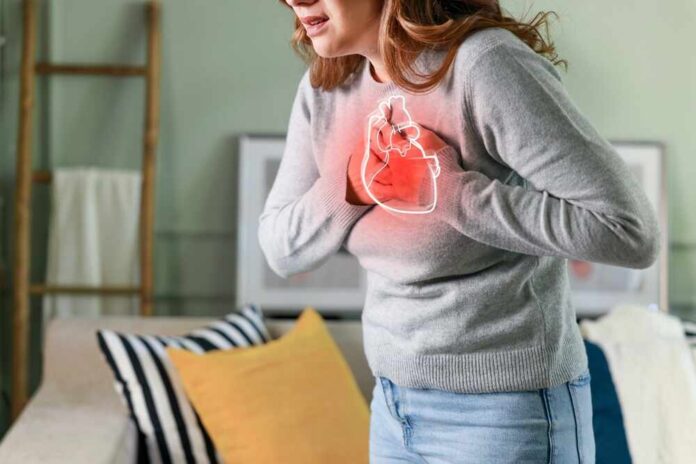
By 2050, nearly 60% of U.S. women could face cardiovascular disease, a preventable crisis exploding among younger women and girls from obesity and hypertension.
Story Snapshot
- American Heart Association projects 6 in 10 U.S. women with CVD by 2050, up from 50% in 2020.
- High blood pressure hits 60%, obesity over 60%, diabetes over 25%—all surging sharply.
- Black women face highest rates; nearly one-third of women aged 20-44 affected.
- Childhood obesity in girls reaches 32% by 2050, fueling early heart risks.
- Experts call it a wake-up call demanding immediate lifestyle and policy changes.
AHA Releases Women-Specific CVD Forecast on February 25, 2026
American Heart Association published the scientific statement “Forecasting the Burden of Cardiovascular Disease and Stroke in the United States Through 2050 in Women” in Circulation. Projections stem from National Health and Nutrition Examination Survey data, modeling trends through 2050. Heart disease, heart failure, atrial fibrillation, and stroke all rise. Women experience distinct risks, like higher stroke burden after atrial fibrillation and different heart failure types compared to men. This women-only forecast builds on AHA’s 2022 general U.S. model, adding economic burden estimates.
Risk Factors Surge from 2020 Baseline Levels
High blood pressure prevalence climbs to 60% in women by 2050, from about 50% in 2020. Obesity exceeds 60%, up from 44%. Diabetes jumps over 25%, doubling from 15%. These drivers stall prior CVD mortality declines post-2010. Poor diet, physical inactivity—over 60% of girls insufficiently active—and socioeconomic barriers like poverty delay care. COVID-19 worsened risks, but core issues persist amid aging populations and demographic shifts toward more Hispanic and Asian women.
Disparities Hit Women of Color and Youth Hardest
Black women face the steepest CVD increases. Hispanic and Asian subgroups also see amplified rates due to U.S. demographic changes. Younger women suffer most: nearly one-third aged 20-44 projected with CVD. Girls aged 2-19 hit 32% obesity by 2050, sparking early onset hypertension and diabetes. High blood pressure dominates in older women, while obesity propels youth epidemics. These trends demand targeted interventions aligning with common sense prevention over reactive care.
Socioeconomic factors exacerbate delays in treatment for disadvantaged women. AHA highlights undertreatment gaps, like fewer clot-busting therapies for women’s strokes versus men’s. Facts support urgent focus on equitable access, resonating with conservative values of personal responsibility and family health protection.
Experts Demand Immediate Prevention Actions
C. Noel Bairey Merz, M.D., from Cedars-Sinai Barbra Streisand Women’s Heart Center, labels projections “alarming and all preventable,” a wake-up call. AHA authors, including Joynt Maddox, stress concerns for youth and disparities. AHA urges women and girls to adopt better diets and activity now. Consensus holds: lifestyle changes can alter trajectories.
Healthcare and Economic Burdens Escalate
Over 62 million women could live with CVD by 2050, straining systems with stroke and heart failure costs. Short-term awareness boosts screenings; long-term demands women-specific treatments like tailored heart failure drugs. Public health pushes pediatric programs and equity initiatives. Political angles favor policies targeting obesity and hypertension, prioritizing individual accountability over expansive government fixes. Common sense aligns with proven self-reliant prevention strategies.
Sources:
6 in 10 U.S. Women Projected to Have at Least One Type of Cardiovascular Disease by 2050
Study: Nearly 6 in 10 women projected to have cardiovascular disease by 2050
Heart disease risk forecasts for women through 2050 paint a grim picture
AARP on women’s cardiovascular disease risks
ScienceDaily summary of AHA projections
A troubling forecast on women’s heart health and what women and girls can do now
Forecasting the Burden of Cardiovascular Disease and Stroke in Women in the US Through 2050