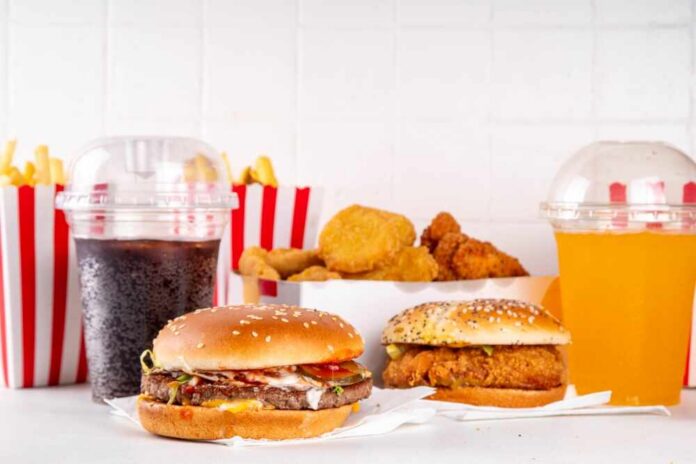
Scientists are now pushing a “Big Food = Big Tobacco” playbook that could reshape what Americans can buy, how it’s marketed, and how Washington polices everyday eating.
Quick Take
- Researchers argue ultra-processed foods (UPFs) meet long-used addiction criteria originally applied to tobacco, citing brain-reward effects and product engineering.
- Reports highlight historical overlap between tobacco companies and major food brands, with research and techniques crossing industries.
- Advocates want tobacco-style interventions for UPFs, including marketing restrictions and product reformulation—raising familiar questions about government reach.
- Industry groups reject the tobacco comparison, arguing food is essential and some processed products provide nutrients.
Why the “Food as Tobacco” Argument Is Back in 2026
STAT News reports that a new wave of researchers is reviving a provocative comparison: ultra-processed foods should be treated like tobacco because they can be addictive. The argument leans on the same addiction framework the U.S. Surgeon General used in 1988 for cigarettes, but points it at modern supermarket staples engineered for maximum “crave.” The most specific claim highlighted is that certain UPFs can drive dopamine surges comparable to nicotine-related reward activity in the brain.
That scientific framing matters because it shifts the policy conversation. Instead of focusing on personal discipline, the emphasis moves to corporate design and regulation—language conservatives have heard before in debates over speech, guns, energy, and healthcare. The research narrative also arrives as public frustration remains high over prior years of top-down “expert” governance. The open question is whether Washington uses this as targeted consumer information—or as a new excuse to micromanage daily life.
What Researchers Say Makes UPFs “Addiction-Like”
Scientists cited in coverage describe UPFs as industrially engineered for “hyper-palatability,” meaning precise combinations of salt, sugar, fat, and flavor designed to deliver rapid reward and keep consumers reaching for more. The reporting points to evidence of strong brain-reward responses and to the idea that these products can create “stimulation without satisfaction,” where novelty and familiar flavors are repeatedly optimized to drive repeat consumption. The policy implication is clear: if it’s addiction, regulators may claim a duty to intervene.
At the same time, the available information has limitations. The reporting describes dopamine responses and behavioral parallels, but it does not establish that all UPFs are equally harmful or equally “addictive,” and it acknowledges ongoing debate about formal recognition. Diagnosis matters because medical labels can unlock a cascade: insurance coverage, school and hospital procurement rules, advertising limits, and litigation strategies. That’s why critics watch this closely—once a category is branded addictive, regulatory pressure often follows.
The Tobacco–Food Corporate History That Fuels the Comparison
The comparison gains force from an uncomfortable historical record: tobacco companies once owned major food brands and reportedly shared research and techniques related to sensory processing and product appeal. Coverage describes how corporate acquisitions from the 1980s through the early 2000s created a pipeline for transferring expertise about how taste, smell, and reward cues influence consumer behavior. Researchers also cite product-pattern shifts during that era, including higher rates of specific fat/sodium and carb/sodium combinations in foods.
That history does not prove intent to “hook” consumers the way nicotine does, but it does provide a plausible pathway for know-how to move between industries. For conservative readers, the larger takeaway is institutional: when government aligns with powerful corporate players, the public often gets manipulated twice—first by sophisticated marketing and formulation, then by policy overreactions that punish everyone instead of targeting bad conduct. The best answer typically starts with transparency and accountability, not blanket control.
What Tobacco-Style Rules Could Look Like—and the Constitutional Tension
Advocates want anti-tobacco-style interventions aimed at UPFs, and reporting highlights options like marketing restrictions and reformulation pressure. In practice, these debates can quickly expand into limits on advertising to adults, restrictions in schools and hospitals, warning-label campaigns, and new taxes justified as “public health.” Supporters argue the burden of diet-related disease is too high to ignore; opponents worry the same tools get used to regulate lawful products and normalize bureaucratic control over personal choices.
Food industry representatives reject the tobacco comparison as oversimplified, emphasizing that food is essential while tobacco is not, and noting that some processed products can provide nutrients through fortification. That pushback is significant because it highlights a real complexity: “processed” is not a synonym for “poison,” and any policy that treats it that way risks unintended harm, especially for families seeking affordable, shelf-stable options. The most responsible debate will separate legitimate consumer information from coercive one-size-fits-all mandates.
Sources:
The push to turn Big Food into the new Big Tobacco
Scientists Found a Strange Link Between Junk Food and Cigarettes
Addictive qualities in ultraprocessed foods are similar to those of tobacco