A kitchen spice just outperformed four other natural compounds at starving cancer cells of energy in a new lab study.
Quick Take
- Researchers tested curcumin, berberine, biochanin A, cucurbitacin E, and CAPE against fibrosarcoma cells and healthy muscle cells.
- All five compounds disrupted energy production inside cancer cells and pushed many into a non-dividing state.
- Curcumin produced the strongest overall effect, cutting energy molecule levels by up to 92 percent in cancer cells.
- Healthy muscle cells lost far less energy capacity than cancer cells, suggesting some targeted effect.
Five Natural Compounds Go Head To Head Against Cancer Cells
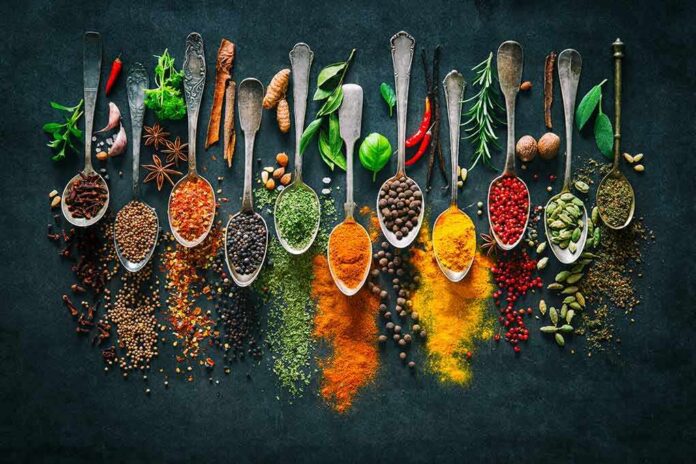
Scientists ran a side-by-side test of five plant-derived compounds on fibrosarcoma cells, a type of connective tissue cancer. The compounds were curcumin from turmeric, berberine from barberry and goldenseal, biochanin A found in red clover, cucurbitacin E from bitter melon, and CAPE, a component of bee propolis. Each one targets a cell-signaling pathway called NF-κB, known to help cancer cells survive and spread.
The study used mouse fibrosarcoma cells called WEHI-164 alongside normal muscle cells called L6, letting researchers compare how each compound behaved in cancerous versus healthy tissue. That side-by-side design matters because a compound that kills cancer cells but also wrecks healthy ones offers little practical value for treatment.
Every compound tested disrupted how cancer cells produce energy inside their mitochondria, the cell’s power plants. Many treated cancer cells also stopped dividing altogether, entering a state called senescence, where cells survive but lose the ability to multiply.
Curcumin Pulled Ahead In The Numbers
Among the five, curcumin delivered the biggest punch. Energy molecule levels, measured as ATP, dropped between 83 and 92 percent in cancer cells treated with curcumin. Healthy muscle cells lost far less ground, with reported drops closer to 23 to 73 percent depending on the compound tested. That gap suggests curcumin hit cancer cells harder than it hit normal tissue.
Berberine also stood out for its ability to stop cancer cells from dividing, working alongside curcumin to push many fibrosarcoma cells into that non-dividing senescent state. Together, the two compounds represented the most consistent performers across the different measures researchers tracked, including cell viability, migration, and DNA damage.
What Lab Dish Results Actually Mean For Patients
Cell-culture findings like these mark an early, mechanistic stage of cancer research, not a finished treatment. Decisive questions remain unanswered: whether a compound can reach a tumor inside a living body at a high enough dose, whether it stays safe over time, and whether any benefit shows up in actual patients rather than a petri dish.
Curcumin itself illustrates the gap well. The National Cancer Institute reviewed early human trials of curcumin products and found them too varied and small to draw firm conclusions, concluding evidence remains inadequate to recommend curcumin for treating cancer. The review also noted a separate hurdle: curcumin’s low solubility and rapid breakdown in the body often prevent it from reaching blood levels seen as effective in lab studies.
Why Scientists Still Chase These Plant Compounds
Senescence, the non-dividing state many of these compounds triggered, has drawn growing interest in cancer research because stalled cancer cells can’t spread even if they survive. Scientists use specific markers inside cells to confirm when senescence has actually occurred, since no single test fully captures it.
That complexity explains why researchers keep comparing multiple natural compounds rather than betting on just one. Each compound works through slightly different pathways, and understanding those differences could eventually help scientists design combination treatments or improved drug formulations. For now, the clearest takeaway is that curcumin and berberine earned a closer look, not a prescription.
Patients and families hoping for a quick natural fix should temper expectations while researchers push this work toward the next stage: testing in living organisms, then eventually in controlled human trials, before anyone can call these compounds a treatment.
Sources:
sciencedaily.com, ecancer.org, mdpi.com, cell.com, journals.physiology.org