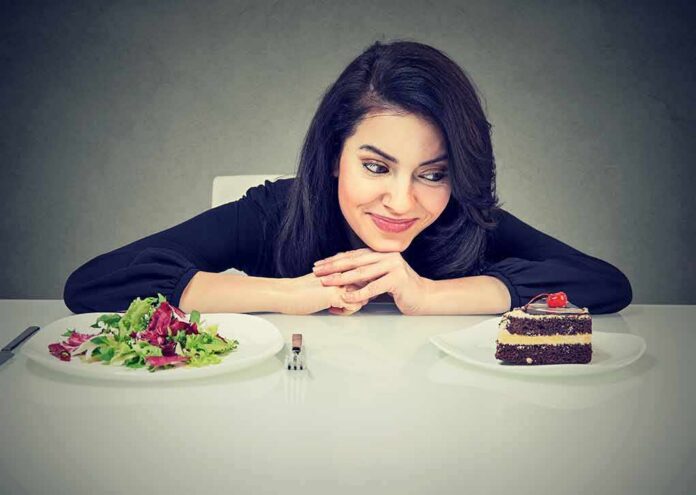
Your brain “tastes” food more vividly when you are hungry, and that mental taste can pull you toward the pantry.
Story Snapshot
- A within-person study found hunger boosts the vivid “flavor” images in your mind.
- Participants imagined food faster, easier, and with more enjoyment when hungry.
- Prior research links vivid food imagery with stronger cravings in the moment.
- The effect showed up for flavor imagery, not every sensory detail of food.
Hunger sharpens mental taste, not just appetite
Researchers at the University of Otago ran a simple test. Sixty adults fasted overnight, completed mental imagery tasks while hungry, then returned after breakfast to repeat them. Because the same people did both sessions, the team could compare hungry versus full states within each person. When hungry, people reported stronger flavor images. They also formed those images faster and with less effort, and they tended to enjoy the mental tasting more.
The effect was not a blanket boost to all imagery. The clearest change showed up for flavor, the part that maps closest to taste. That detail matters. It fits years of work showing that cravings lean on sensory images. The more clearly you can “taste” a food in your head, the more it can call to you in real life. One study of 130 students found that the vividness of food images tracked with how strong the craving felt at that moment.
Cravings ride on pictures, smells, and imagined bites
Cravings are not only about energy needs. They are also about the mind’s movie of eating. Reviews of the science describe cravings as multi-sensory. They draw power from sights, smells, and even the feel of chewing. Those images light up when you are hungry and paying attention to food. They can also spark when habits, emotions, or cues bring a favorite snack to mind. That is why a craving can strike even when dinner just ended.
The Otago study plugs a key hole in past research. Many older studies compared different people who were more or less hungry. This project compared the same person in two states. That design helps sort cause from noise. Here, hunger lined up with stronger flavor imagery in the same brains. The trait did not shift at random. It rose with hunger, then eased after a meal. That pattern gives the finding practical weight for everyday choices.
Why this reframes “weak willpower” talk
People often blame themselves for “caving” to cravings. The data point to a simpler path: hunger turns up the volume on mental taste. When the inner taste track blares, the urge can feel intense. Prior work shows that vivid imagery and craving strength move together in the short term. That does not excuse every choice, but it does explain why a human brain, built to find food, locks on so hard when the tank runs low. That frame fits common sense and personal responsibility.
Personal responsibility starts upstream. Set the table so your better choice is the easy choice. If you know a hungry brain paints bold flavor pictures, do not shop on an empty stomach. Do not sit next to the office donut box at 11 a.m. Plan protein and fiber earlier in the day. If you lower hunger, you lower the mental taste track, and the “no” gets simpler, not heroic. That is willpower made practical, not political.
Turning the science into simple tools
Interrupt the image, not just the snack. Researchers report that tasks which crowd out mental images can cut desire in the moment. Try a short visual or working-memory task when a craving peaks. Work a quick puzzle. Vividly imagine a non-food scene, like a beach walk with crashing waves. Swish a strong mint, change the flavor channel, and you often blunt the pull. The goal is fast relief, not a lecture to yourself.
"Food noise" isn't a medical term yet.
Scientists only published a working definition in 2025, and the phrase didn't come from a lab. It came from patients on weight-loss injections describing the same strange relief: the constant background chatter about food had gone quiet.
— Srinivas Charan Mamidi (@msrinivascharan) October 13, 2026
Use timing to your advantage. Eat regular meals that include protein to steady hunger. Build default swaps you enjoy, so the brain’s flavor movie still pays off, just with better scripts. Keep trigger foods out of easy reach at peak hunger hours. If a craving hits right before dinner, start cooking a high-protein appetizer first. Give your brain a fresh, real taste so the mental one loses its grip. Over time, you train the loop to calm down.
Sources:
mindbodygreen.com, tandfonline.com, theconversation.com, sciencedirect.com