Obesity doesn’t just raise your health risks—it changes the rules depending on whether you’re a man or a woman.
Quick Take
- Men tend to store more visceral fat around organs, which tracks with earlier cardiovascular trouble and higher premature death risk.
- Women more often carry subcutaneous fat, but obesity in women connects strongly to certain cancers, fertility issues, and osteoarthritis.
- Waist-to-hip ratio and fat location can predict danger better than BMI alone, especially when sex differences are considered.
- Genetics and brain-related drivers are sharpening the case for sex-tailored obesity prevention and treatment.
Fat location, not just fat amount, explains the “hidden” risks
Clinicians have learned the hard way that two people with the same BMI can live in different medical worlds. Men, on average, accumulate more visceral fat—the kind packed around the liver, pancreas, and heart. Women, on average, store more subcutaneous fat, often around hips and thighs. That distribution shapes what breaks first: blood pressure, lipids, and insulin control tend to sour earlier in men, while women often face different long-game complications.
Men and women with obesity face very different hidden health risks
New research reveals that obesity affects men and women in surprisingly different ways. Men are more likely to develop harmful abdominal fat and signs of liver stress, while women show higher inflammation and…
— The Something Guy 🇿🇦 (@thesomethingguy) April 13, 2026
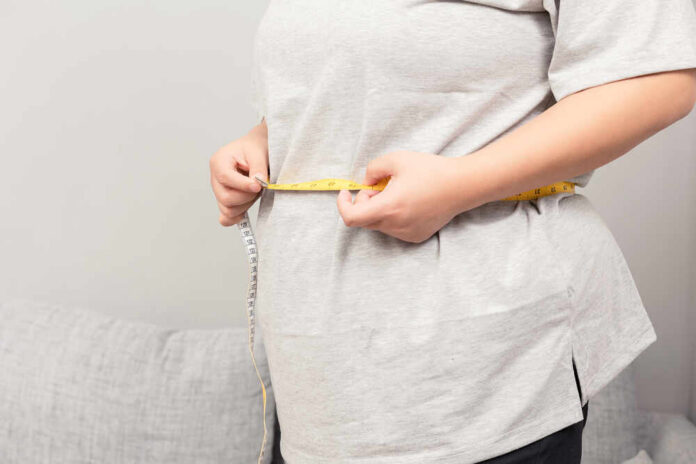
That’s why the bathroom scale can mislead. Waist-to-hip ratio and abdominal girth better reflect organ-hugging fat, and research has reported that belly fat can signal danger differently for women than for men. A tape measure costs less than a copay, and it often tells the truth sooner than a BMI chart that treats bodies like identical machines.
Men: earlier metabolic damage and a deadlier trajectory
Large population research has linked obesity to a higher increase in premature death risk for men than for women, a statistic that should stop any man who thinks extra weight is merely cosmetic. Mechanistically, men with obesity often show greater insulin resistance and more liver fat, two problems that feed each other. Add rising blood pressure and unfavorable cholesterol patterns, and the result is a faster march toward cardiovascular disease.
The “hidden” part is timing. Men can look functional for years—working, mowing lawns, traveling—until the first big event lands: a heart attack, stroke, or a diagnosis like sleep apnea that has quietly strained the heart every night. When men delay routine care, those risks compound. Personal responsibility matters here: ignoring warning lights doesn’t make the engine healthier, and waiting for symptoms is a terrible screening strategy.
Women: higher prevalence, more stigma, and serious downstream disease
Global patterns often show higher obesity prevalence in women, and the medical consequences don’t stay confined to aesthetics or “quality of life.” Women with obesity face elevated risks that include metabolic syndrome and several obesity-associated cancers, including postmenopausal breast and endometrial cancer. At higher BMI levels, some studies describe sharply increased cancer risk. Women also confront fertility challenges and pregnancy-related complications that can affect two lives at once.
Social pressure adds another layer. Weight bias tends to fall harder on women in workplaces and daily life, and stigma can distort healthcare: some patients avoid appointments, while some clinicians oversimplify symptoms as “just weight.” Adults deserve straight talk and real options—nutrition counseling that works in the real world, timely screening, and treatments matched to risk, not matched to stereotypes.
Why the same lifestyle advice doesn’t land the same way
Hormones, life stages, and biology change how weight behaves. Menopause, for example, can shift fat toward the abdomen, pushing some women toward the same visceral-risk territory that men often occupy earlier. Meanwhile, men may underestimate risk until it becomes immediate, while women may interact with healthcare more frequently and therefore encounter earlier intervention. The point isn’t to excuse anyone; it’s to stop pretending one message fits every body.
Metrics matter because they guide action. BMI remains a blunt tool, useful for population tracking but weak for explaining individual risk. Waist circumference and waist-to-hip ratio better capture central adiposity, and evidence has suggested that abdominal fat can be a stronger predictor of heart attack risk for women than it is for men. If you want fewer surprises, you track the measurements that predict surprises.
New genetics and brain research is forcing precision into the conversation
Genetic research has reported substantial sex differences in genes tied to fat distribution and obesity risk, including sets of genes that appear to affect men and women differently. This doesn’t mean destiny is fixed; it means the playing field isn’t identical. Better drug targets and better risk stratification can come from this work, but only if medicine stops treating sex as a minor footnote in obesity research and starts treating it as a core variable.
Neuroscience adds another wrinkle. Imaging and behavioral research has suggested men and women can show different “drivers” of obesity, including differences in how the brain responds to food cues and stress-related signals. That should make readers skeptical of fad advice that blames everything on willpower alone. Self-control matters, but biology also sets traps, and smart policy and clinical practice identify traps instead of moralizing about them.
What tailored prevention looks like for real families and real budgets
Sex-specific care doesn’t require a boutique clinic. It means men get pushed earlier toward cardiovascular screening, sleep apnea evaluation, and aggressive management of blood pressure, lipids, and glucose when weight rises. It means women get frank counseling about cancer screening, reproductive health, and the metabolic shifts that can follow pregnancy or menopause. It also means both sexes hear the same hard truth: sustained weight loss improves risk, and small percentage losses can matter.
The open loop is whether healthcare systems will adapt quickly enough. Research keeps piling up, yet many clinics still run obesity care like a one-size-fits-all pamphlet rack. The path forward is practical: emphasize measurable outcomes, prioritize early detection, and insist on accountable interventions that respect differences without turning them into excuses. Obesity isn’t a single problem, and pretending otherwise keeps families paying for consequences that were predictable.
Sources:
Sex and Gender Differences in Obesity
Belly fat may pose more danger for women than for men
Obesity more deadly for men than women: study
Genetic Differences in Fat Shape Men and Women’s Health Risks
Sex/gender differences in the epidemiology of obesity
Men and women have different obesity drivers, pointing to need for sex-specific treatments
How Obesity Affects Women and Men Differently
Weight Bias: Does It Affect Men and Women Differently?