A single extra glass of milk might nudge your bowel cancer risk down, but the real story is how easily headlines turn one nutrient signal into a magic-drink cure.
Story Snapshot
- A large study linked an extra 300 milligrams of calcium a day – about a big glass of milk – to roughly 17% lower bowel cancer risk[1][3].
- The protective effect tracks calcium from all sources, not milk alone; leafy greens and other foods showed similar benefits[1].
- Researchers stress this is an association, not proof that milk “prevents” cancer[1].
- Broad evidence supports a pattern: more fiber and calcium, less alcohol and processed meat, equals lower bowel cancer risk[4][6].
What The New “Glass Of Milk” Study Really Found
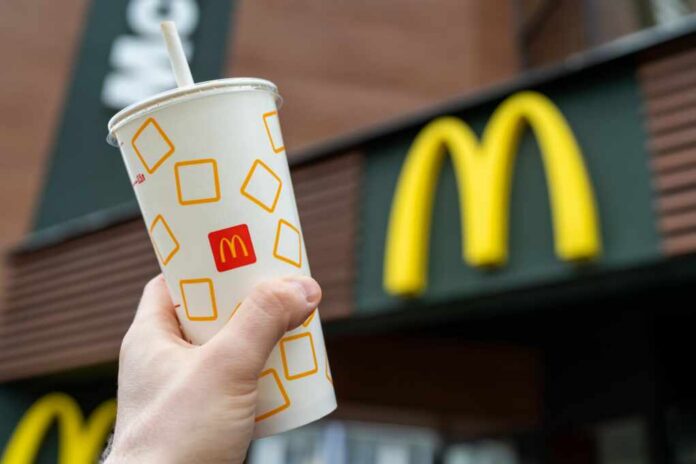
Cancer Research UK highlighted research suggesting that an additional 300 milligrams of calcium per day, roughly the amount in a large glass of milk, was associated with about a 17 percent lower risk of bowel cancer[1]. The same figure appears in summaries from bowel cancer charities describing the study as one of the largest to examine diet and bowel cancer[3]. That sounds like a powerful, simple prescription: pour milk, cut risk. But that is not what the science actually proves.
Researchers examined overall calcium intake and looked at where it came from: dairy such as milk and yogurt, and non-dairy sources like dark green leafy vegetables[1]. They reported that higher calcium intake correlated with lower bowel cancer risk, and that this was seen with both dairy and non-dairy foods[1]. That implies calcium itself is the likely protective factor. When they separated calcium from dairy milk as a distinct exposure, the protective signal followed calcium, and not specifically milk, in their analysis[1].
Association, Not A Cancer-Proof Cocktail
The careful language in the Cancer Research UK write-up matters for anyone who cares about honest health advice. The charity says an extra 300 milligrams of calcium “could be linked” to a 17 percent decrease in risk, which is classic nutritional epidemiology phrasing for an observational association rather than proven cause and effect[1]. The study did not randomly assign thousands of people to drink milk or not and then track cancer outcomes; it observed people’s diets and compared who developed bowel cancer.
That kind of study can control for many confounders, but it cannot guarantee that milk, or calcium, is the reason for the difference. People who get more calcium often eat more vegetables, more yogurt, and generally live a more health-conscious lifestyle. That pattern shows up across prevention guidance. The World Cancer Research Fund notes that a combination of maintaining a healthy weight, staying active, eating more fiber and plant foods, drinking coffee, and including calcium-containing foods such as dairy appears to reduce risk[4]. No reputable group suggests any single drink cancels out bad habits.
How Calcium Fits Into The Bigger Bowel Cancer Picture
The World Cancer Research Fund says there is strong evidence that eating a diet rich in fiber, including whole grains, lowers bowel cancer risk, and its research found that calcium supplements can help reduce risk as well[4]. At the same time, it warns against relying on supplements alone and urges people to prioritize food-based sources of fiber and calcium as part of an overall lifestyle pattern[4]. That message aligns well with conservative values of personal responsibility and moderation.
American hospital systems convey a similar picture. UC Health, citing the American Institute for Cancer Research, notes strong evidence that dairy consumption can be protective against colorectal cancer and specifically highlights high-calcium dairy such as milk and yogurt as smart choices[6]. Their prevention tips are straightforward: eat more whole grains, beans, vegetables and fruit, choose low-fat dairy, avoid alcohol or keep it rare, and cut down on red and processed meat[6]. That advice reflects a risk-reduction strategy grounded in multiple converging lines of evidence, not a single silver bullet.
Sorting The Real Risks From The Noise
While milk and dietary calcium may nudge risk downward, some drinks clearly push risk in the wrong direction. Reviews of foods and beverages and colorectal cancer conclude that high intake of alcohol and processed meat increases risk, and they flag alcohol as a consistent, causal driver of colorectal cancer in particular. Clinical resources aimed at patients reinforce this, urging people to avoid or sharply limit alcohol, watch fast food, and reduce high-sugar, high-glycemic products that can contribute to obesity and insulin resistance, both tied to higher colorectal cancer risk[6].
Front-line education pieces for the public put it in even plainer terms: foods such as vegetables, whole fruits, and whole grains “fight” colon cancer because they are high in fiber, while many studies find that even moderate drinking can raise colon cancer risk[5]. One summary points out that every extra ten grams of whole grains per day, roughly a slice of bread, may cut colon cancer risk by as much as 17 percent, similar in magnitude to the calcium signal from the milk study[5]. Taken together, those numbers suggest the power lies in stacking these small advantages across your diet, not chasing miracle drinks.
What A Practical, Sensible Takeaway Looks Like
Modern cancer charities quietly acknowledge what many older readers already suspect: bowel cancer risk is about the long game. Bowel Cancer UK advises people to drink milk and eat other dairy foods but choose low sugar and low fat options, and it notes growing evidence that calcium may reduce bowel cancer risk. In the same breath it stresses fiber, fruit and vegetables, limiting processed meat, and cutting alcohol. That reflects a realistic view: every modest nudge in the right direction compounds over years.
Against that backdrop, the claim that “one common drink” will slash risk by 17 percent is classic media oversimplification. The underlying evidence says something more grounded and more empowering: choose a daily pattern that favors fiber-rich foods, reasonable portions, regular activity, low or no alcohol, and steady calcium from milk, yogurt, and vegetables.
Sources:
[1] Web – Oncologist says common drink can help slash risk of bowel cancer 17pc
[3] Web – Bowel cancer risk could be reduced with an extra glass of milk
[4] Web – Living with and beyond bowel cancer
[5] Web – Can Your Diet Prevent Bowel Cancer? – Worldwide Cancer Research
[6] Web – Risk of Colon Cancer and Coffee, Tea, and Sugar-Sweetened Soft …