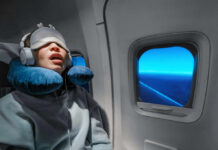
Remote work can protect your time, but it can also quietly starve your social life.
Quick Take
- Recent research links remote work with more isolation, more mental distress, and more days spent alone than in-person work.
- Other reviews show the picture is mixed, with some workers gaining better work-life balance, lower stress, and more control over their day.
- The safest home habits are plain ones: build routines, set boundaries, move your body, and stay in touch with real people.
- The goal is not to reject remote work. The goal is to stop home from becoming a social dead end.
Why Home Can Wear People Down
The strongest warning sign is simple: remote work can reduce human contact in ways people do not notice at first. A large study of more than 588,000 workers found remote workers spent more time alone, and people living alone faced an even higher risk of days without social contact. Harvard researchers also reported that remote work explained about one-third of the broader rise in isolation and mental distress.
That does not mean every home worker is headed for trouble. It does mean the structure of the day matters more than many people think. When the commute disappears, so can the small social moments that come with it. Those moments sound minor. In practice, they often act like emotional shock absorbers. Without them, the workday can feel efficient and strangely hollow at the same time.
The Good News Hidden In The Research
The research does not give remote work a clean guilty verdict. A systematic review found both positive and negative effects, including better work-life balance, more autonomy, and less stress for some workers. A Lakehead University review reached a similar conclusion, saying remote work can improve well-being through less commute time and less work-family conflict. The lesson is not that home work is bad. The lesson is that it is fragile.
That fragility helps explain why hybrid work keeps showing up in the middle of the debate. In one analysis, hybrid workers reported anxiety and depression symptoms at rates close to fully remote workers, which suggests that simply mixing office days with home days does not solve everything. The issue is not just location. It is whether the workday still gives people enough rhythm, contact, and recovery to stay steady.
Simple Habits That Actually Help
Start with a schedule you can repeat. Set a clear start time, lunch break, and stop time. Keep one place in the home for work and one place for everything else. That separation helps the brain switch gears. Research and practical guidance both point to routines, dedicated workspaces, and regular breaks as basic ways to lower stress and reduce burnout.
REMOTE WORK SKYROCKETED IN PANDEMIC
INCREASED ISOLATION
IMPACTS ON MENTAL HEALTH – NEW STUDYhttps://t.co/jnv1efShkCAFTER PANDEMIC WORKERS IN REMOTE–CAPABLE JOBS SPENT MORE TIME WORKING ALONE AND AVOIDED SOCIAL ACTIVITIES
PATTERN MORE THOSE LIVING ALONEhttps://t.co/UJPi085RcH pic.twitter.com/4tkUS3CidC
— Bina Pattel (@BinaPattel) July 1, 2026
Build contact into the day before loneliness builds itself. That can mean one phone call, one walk with a neighbor, or one face-to-face errand after work. It also means using meetings for connection, not just tasks. Several reports on remote work stress point to isolation as a key risk, which makes deliberate social contact one of the most practical defenses available at home.
What To Watch Before Trouble Builds
Pay attention to small warning signs. Trouble often starts as poor sleep, low energy, irritability, or the feeling that every day blurs into the next. If work-from-home life begins to crowd out meals, exercise, or normal conversation, the problem is no longer productivity. It is isolation with a calendar. The fix is usually not dramatic. It is usually boring, repeated, and effective.
That boring fix is also the most useful one: leave the house on purpose. Go where other people are, even briefly. Keep a standing plan with another adult. Move your body, and do it away from your desk. A home office can be a smart way to work, but it should not become a sealed room with no social air in it. The science suggests the mind needs friction, not just freedom, to stay healthy.
Sources:
mindbodygreen.com, npr.org, current.fas.harvard.edu, news.ibiweb.org, pmc.ncbi.nlm.nih.gov, science.org