Your blood pressure, sleep, and mood are quietly tracking one number you rarely connect to health: how in control you feel over your money.
Story Snapshot
- Feeling in control of money strongly links to more energy, better mood, and fewer sick days
- Financial stress and debt raise the risk of anxiety, depression, and even suicidal thoughts
- Simple habits like saving regularly and mental budgeting measurably improve mental health
- Financial control should serve your health, not become an excuse for abusive control over others
Financial control as a real health tool, not a buzzword
Researchers are blunt about this: people who feel in control of their finances report more days feeling healthy, energetic, and happy, and fewer days feeling sad, in pain, or unable to sleep. That is not a motivational poster; it is measured effect sizes over large samples. Financial control shows up as a protective factor for both emotional and physical health, not just “peace of mind.” In plain terms, control over money acts as psychological armor in a world that throws a lot at you.
When you know your bills are paid and you have a cushion, you are freer to say no to bad jobs, toxic relationships, and unhealthy environments. You are not waiting on a politician or program to fix your life. You are less fragile and less dependent, which is exactly the kind of resilience many on the right argue our culture has lost.
What money really buys: time, options, and lower stress
Author Morgan Housel puts it simply: the biggest value of money is not luxury; it is control over your time and life. That line hits harder at 40 than it does at 20. When money gives you enough control to choose how you spend your days, you can sleep more, move more, cook real food, and skip the overtime that grinds down your body. Public health experts note that even modest extra income can translate into longer, healthier lives through better food, less stress, and more exercise.
On the flip side, heavy debt and constant repayment stress show up in higher risks of depression and suicidal thoughts. Worrying about bills does not just feel bad; it changes behavior. People under financial pressure make shorter-term, more impulsive choices that hurt both wallet and health. When you see debt as an addiction, not just a math problem, it becomes clearer why “just one more loan” can be a form of self-harm dressed up as financial planning.
How everyday financial habits shape your mind and mood
Several studies now tie ordinary financial behavior directly to mental health outcomes. Regular savings habits and paying credit card bills on time are linked to measurable improvements in mental health, even after controlling for other factors. A one percentage point increase in regular saving is associated with almost a half percentage point improvement in mental health scores. That is not huge overnight change, but it is proof that steady, boring money habits quietly lift your mood and resilience over time.
Financial literacy, mental budgeting, and self-control also raise financial well-being, largely because they improve investment decisions and reduce stress about the future. Mental budgeting is simple: you know what each dollar is “for” before you spend it. That clarity lowers the chaos that drives anxiety. Behavioral scientists see this as a way to fight back against a marketplace designed to separate you from your money and keep you in a permanent state of low-grade worry. Building control into your system reduces rumination and frees your mind for higher-value problems.
When “financial control” becomes unhealthy control
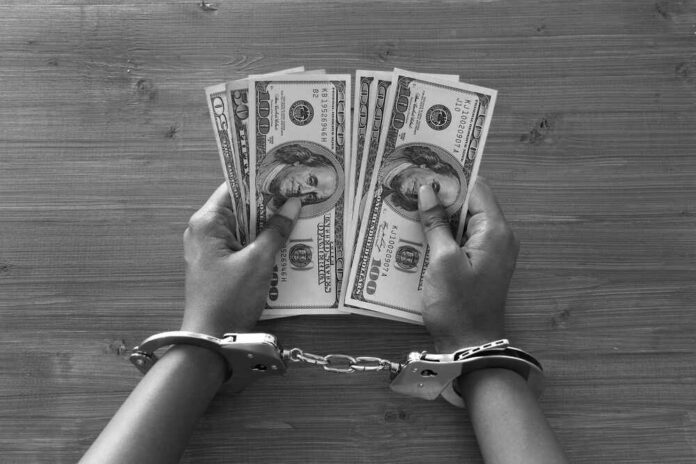
Not all financial control is healthy. Government reports describe economic and financial abuse as a pattern of behavior where one person blocks another from getting, using, or keeping money, creating fear and trapping them in a relationship or home. That can include monitoring every purchase, creating debt in someone’s name, or blocking access to bank accounts. This is not stewardship; it is coercive control.
Counselors who study financial abuse warn that using money to dominate a partner quietly destroys their autonomy and mental health. The role of the provider is to protect and empower, not to choke off escape routes. Healthy financial control supports your health and the health of those you love. Unhealthy control uses money as a cage. The difference is whether the system builds shared safety or one-sided power.
Turning money into a health-support system
The goal is not to worship money but to harness it so your body and mind can thrive. That starts with a simple rule: your budget must reflect your health priorities, not just your payments. If debt and bills leave nothing for decent food, rest, or basic medical care, your financial plan is working against you, no matter how “disciplined” it looks. Studies show that people with lower assets face roughly double the odds of depression and anxiety compared to those with higher wealth, even after adjusting for income. That is the cost of fragility.
A healthier setup puts emergency savings, manageable debt, and clear spending categories at the center, then builds room for sleep, movement, and community. Automating savings, aligning bill dates with income, and tracking money-mood patterns are small moves that cut stress and increase control. When you use money to buy back margin in your life, you can live your values more fully—show up for family, serve in your community, and stand on your own two feet longer. Financial control is not the point. A stronger, freer, healthier you is.
Sources:
artofhealthyliving.com, investmentnews.com, linkedin.com, harriman-house.com, youtube.com, en.wikipedia.org, frontiersin.org, pmc.ncbi.nlm.nih.gov, ideas.repec.org, sciencedirect.com, moneyandmentalhealth.org, ag.gov.au