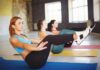
Grandmothers are crawling under railings, rolling on playground mats, and walking taller because parkour is helping them stop falls before they start.
Story Snapshot
- Singapore seniors train parkour basics to build balance, strength, and confidence.
- Coach Tan Shie Boon has taught older adults since 2017, with viral classes across local parks.
- Sessions focus on safe landings, obstacle navigation, and getting up from the ground.
- Global research shows exercise cuts fall rates for older adults in real life by about a quarter.
Singapore’s Senior Parkour Looks Daring, But It Is Designed For Safety
Coach Tan Shie Boon leads seniors through moves that look bold, yet start simple and low. They crawl, step over curbs, balance on rails, and practice soft landings on mats. The goal is not flips. The goal is control. Reuters reported that Tan uses parkour to teach better balance to older adults, drawing wide attention online. The program began in 2017 and now runs in several neighborhoods each week, meeting in everyday public spaces with built-in obstacles.
Movement Singapore lists classes for ages fifty to seventy at parks and housing estates, with early morning sessions to avoid heat. The format blends warm-ups, joint prep, and skill drills. Students learn how to shift weight, grab a rail, and lower themselves safely. They also learn how to get up from the ground without panic. That last skill reduces harm after a trip. Instructors adapt every drill to each person’s range and comfort.
Why Parkour Works For Older Bodies
Falls rarely happen during a stunt. They happen during daily life: stepping off a curb, reaching for a shelf, or missing a handhold. Parkour trains those exact moments. Business Insider described Tan’s focus on balance recovery, precise foot placement, and safe getting up after a fall. This fits what large reviews find: exercise programs that build strength and balance reduce falls, and the best ones include coordination, reactive steps, and ground-to-stand practice. Parkour wraps all three into one clear package.
Research supports the approach. A major review in the British Journal of Sports Medicine found that exercise reduces the rate of falls by about twenty-three percent for older adults living in the community. That is a serious gain with low cost. Early studies on parkour-style training show better reach and balance measures, even if not every test shifts at once. The practical idea is simple. Train movements you need. Repeat them until they feel normal.
Inside A Class: Small Wins Stack Into Big Confidence
A typical session starts with easy joint circles, then crawling patterns to wake up hips and shoulders. Students practice stepping over low rails and turning around without losing balance. They grip a bar, lower to a knee, and practice the path back up. The instructor checks form and gives an easier or harder option on the spot. Local coverage notes that over seventy-five seniors have gone through the program, with the oldest in the early seventies. Many report better steadiness in daily tasks afterward.
The payoff shows up outside the park. One student speaks of less fear on stairs. Another says grocery trips feel stable again. Movement Singapore’s setup—public spaces, simple gear, short classes—makes it social and repeatable. That matters. Seniors stick with things that feel useful and fun. The “play” frame of parkour brings back curiosity. People smile when they nail a balance line they once feared. That joy keeps them coming back, which compounds gains over time.
The Broader Health Picture: Familiar Problem, Fresh Package
Singapore’s aging wave looks like much of the developed world. More people live longer, but falls are costly for families and health systems. Exercise remains the surest defense. A large body of evidence across many trials supports strength and balance training to prevent falls and fall injuries. Parkour for seniors does not break this rule. It follows it. It trains balance under real-world conditions with rails, steps, and uneven ground, then adds safe-landing and get-up skills that many classes skip.
In Singapore, seniors are using Parkour to build strength, balance and confidence, and to learn how to fall safely.#NewswireDW #News pic.twitter.com/BnNgHskpO5
— NewsWire 🇱🇰 (@NewsWireLK) August 26, 2026
Critics sometimes frame parkour as risky for older adults. The record from these classes shows the opposite when done right. Coaches scale every drill. Movements stay low and controlled. Surfaces are chosen for grip. People earn the next step. Build the body, test skills in small doses, and prepare for the rare bad step with a safer landing. That is not thrill-seeking. That is risk management with a smile.
Sources:
youtube.com, reuters.com, businessinsider.com, movement.sg, pkmove.org, bjsm.bmj.com, pmc.ncbi.nlm.nih.gov