Every slice of bread you eat starts a race inside your body between burning fuel now and storing it for later.
Quick Take
- A new Institute of Human Anatomy video breaks down what carbohydrates actually become once you swallow them.
- Glucose from carbs can be burned immediately for energy or stored as glycogen in the liver and muscles.
- Established medical research backs up the core science the video presents about glucose and energy production.
- The “fat or fuel” framing taps into a bigger, often heated public debate over carb-heavy versus low-carb diets.
What The Video Actually Explains About Carbs
The Institute of Human Anatomy, a popular anatomy education channel, posted a video titled “Fat or Fuel? What Your Body REALLY Does With Carbs.” The video explains that carbohydrates get broken down into glucose, a simple sugar your cells use for energy. When your body doesn’t burn that glucose right away, it stores it as glycogen, a storage molecule built from chains of glucose.
This isn’t a new or controversial idea among scientists. Government health researchers describe glucose as the main fuel source for mammals, including humans. Once glucose enters a cell, the body converts it into adenosine triphosphate (ATP), the energy currency that powers everything from muscle movement to brain function. That conversion process, called glycolysis, nets two ATP molecules for every glucose molecule processed.
Where Your Body Keeps The Extra Sugar
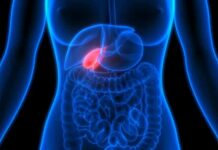
Your body doesn’t burn every carb the moment you eat it. Extra glucose gets packed away as glycogen, mainly in your liver and skeletal muscles. Research shows the liver can hold roughly 100 grams of glycogen, while skeletal muscle can store around 350 grams, though these numbers shift based on body size, fitness level, and recent meals. Muscles tap this stored sugar during exercise. The liver releases its supply to keep blood sugar steady between meals.
Carbohydrates don’t only serve as fuel or fast storage. The body can also redirect glucose toward building fatty acids when energy stores run full, according to a peer-reviewed metabolism review. That same review describes two connected processes: glycogenesis, which builds glycogen, and glycogenolysis, which breaks it back down into usable glucose when the body needs quick energy. This flexibility is exactly why carbs can’t be labeled as purely “fuel” or purely “fat.”
Why The Carbs Debate Keeps Getting Heated
The video’s title plays into a long-running argument about whether carbs help or hurt your waistline. That argument has real stakes. A 2025 meta-analysis of randomized trials found high-quality evidence that low-carbohydrate diets, those getting 44 percent or less of daily calories from carbs, affect blood sugar control, cholesterol, and body composition differently than higher-carb diets. The physiology is settled. The best diet for any one person is a separate, harder question.
That gap between hard science and diet trends is exactly where misinformation tends to creep in. Researchers studying nutrition content on TikTok, Instagram, and YouTube have found that a large share of popular posts include inaccurate or misleading claims about food and metabolism. One systematic review found nearly half of all studied nutrition content online was rated low in quality or accuracy. That makes attributable, science-based explainers like this one valuable, because viewers get a sourced starting point instead of a recycled diet myth.
Sources:
youtube.com, ncbi.nlm.nih.gov, cambridge.org