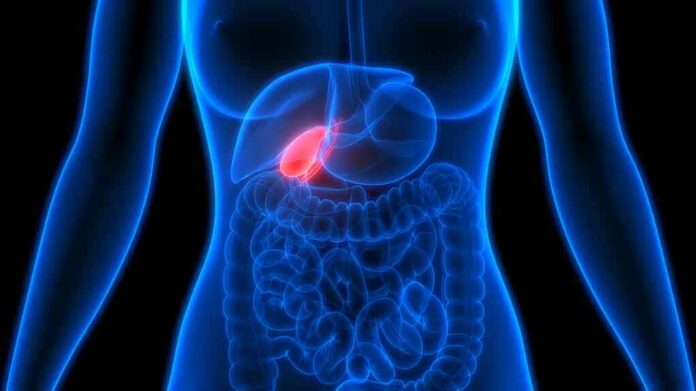
Pancreatic cancer rarely announces itself, which is exactly why doctors call it one of the hardest cancers to catch early.
Quick Take
- Pancreatic cancer often causes no symptoms in its early stages, according to the National Cancer Institute.
- Health content from creators like Dr. Eric Berg highlights seven subtle body changes people should watch for.
- Medical research shows only a few symptoms, especially jaundice, strongly predict the disease in primary care settings.
- No major health group recommends routine screening for people without symptoms or high genetic risk.
Why This Cancer Hides So Well
The pancreas sits deep in the abdomen, tucked behind the stomach. That location means tumors can grow for months before pressing on nerves or organs enough to cause pain. The National Cancer Institute states plainly that pancreatic cancer “does not have early signs or symptoms, making it very hard to detect in its early stages.” Most patients only notice something wrong after the disease has already spread.
That delay is the reason online health creators have built an entire genre around “silent signs.” Videos promising to reveal the body’s early warnings rack up hundreds of thousands of views because viewers want a way to catch this disease before it’s too late. The instinct behind that search is reasonable. The challenge is turning a long list of vague symptoms into something actually useful for spotting cancer sooner.
The Seven Signs People Are Told to Watch
Common lists built around pancreatic cancer awareness typically include abdominal or back pain, jaundice, unexplained weight loss, loss of appetite, fatigue, digestive changes like nausea or bloating, and new-onset diabetes. Each of these does appear on official symptom lists from the American Cancer Society, which also notes that fatigue in pancreatic cancer patients “will usually not improve with rest”. The overlap with everyday health complaints is exactly what makes the list hard to act on.
Jaundice stands out from the rest. Yellowing skin and eyes happens when a tumor blocks the bile duct, a mechanical problem doctors can trace directly back to the pancreas. The other six signs are far more common and far less specific. Fatigue, appetite loss, and stomach discomfort show up with dozens of everyday conditions, from stress to a stomach bug to simply getting older.
What the Research Says About Each Warning Sign
A systematic review of primary care data covering more than 3.4 million patients looked at how often these symptoms actually led to a pancreatic cancer diagnosis. The results were sobering for anyone hoping a checklist could replace a doctor’s exam. A separate analysis of patient records found jaundice, steatorrhea, and pancreatitis carried the highest positive predictive values, at roughly 2 percent, 1.8 percent, and 0.9 percent. Unexplained weight loss ranked close behind. Every other symptom on the common list carried a far smaller statistical link to the disease.
None of this means fatigue or appetite loss should be ignored. It means these signs work best as a reason to see a doctor, not as proof of cancer on their own. A single symptom rarely tells the full story. Doctors look at combinations, timing, and a patient’s full history before ordering imaging or bloodwork.
Screening Guidelines Reflect the Same Caution
The U.S. Preventive Services Task Force recommends against pancreatic cancer screening for adults who show no symptoms and carry no known genetic risk. The task force found no evidence that screening average-risk adults improves outcomes, while noting that available tests carry real risks of false positives and unnecessary procedures. That guidance reinforces why broad symptom checklists aimed at the general public can create more anxiety than clarity, even when every item on the list is technically accurate.
None of this diminishes the real danger pancreatic cancer poses, or the value of knowing its symptoms. It simply means the smartest response to persistent, unexplained changes in weight, digestion, or energy is a conversation with a doctor, not a self-diagnosis from a video. Catching this disease early still depends on paying attention to your body and following up fast when something feels consistently off.
Sources:
youtube.com, cancer.gov, pubmed.ncbi.nlm.nih.gov, nature.com