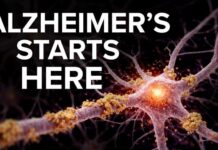
The same cellular cleanup crew promised to turn back your biological clock might be secretly feeding the tumors you’re desperately trying to avoid.
Story Snapshot
- Senolytic drugs designed to fight aging by clearing out damaged cells show promise, but research reveals these same compounds may inadvertently promote cancer growth through cellular mechanisms.
- University of California San Francisco researchers discovered that senescent fibroblasts—cells targeted by anti-aging treatments—secrete proteins that fuel cancer plasticity and tumor aggression.
- The compounds now entering clinical trials for both longevity and cancer treatment operate on a knife’s edge, requiring precise timing and combination therapies to avoid backfiring.
- Expert consensus supports a “one-two punch” approach: induce senescence in cancer cells first, then deploy senolytics to eliminate them before harmful inflammation sets in.
When Your Fountain of Youth Springs a Leak
Cellular senescence represents one of nature’s most perplexing paradoxes. Discovered in 1961, this biological state occurs when stressed cells stop dividing and begin secreting inflammatory factors collectively known as SASP. These secretions drive the visible hallmarks of aging—wrinkles, frailty, cognitive decline—but they also create an environment ripe for cancer development. Drugs like Navitoclax and ABT-263, developed by pharmaceutical giant AbbVie as BCL-2 inhibitors, emerged around 2015 with a straightforward mission: identify and eliminate these zombie-like senescent cells before they wreak havoc on surrounding tissues.
The initial results in mice seemed miraculous. Animals treated with senolytics lived longer, showed improved memory function, and exhibited reduced frailty even after radiation exposure. Clinical trials launched in 2017 targeting refractory cancers like angiosarcoma and lung tumors, combining chemotherapy with senolytic follow-up treatments. Researchers documented tumor regression rates that exceeded standalone chemotherapy by significant margins. The anti-aging community embraced these compounds as potential game-changers, envisioning a future where clearing out damaged cells could reset the biological clock. Yet beneath this optimism lurked a troubling reality that scientists were only beginning to comprehend.
The Devil Hiding in the Cellular Details
The 2025 UCSF breakthrough exposed the Achilles heel of senolytic therapy. Researchers identified cancer-associated fibroblasts—support cells within tumors—that enter senescence during chemotherapy treatment and subsequently release proteins like APOE. Rather than withering away, these supposedly neutralized cells actively promoted cancer cell shape-shifting and growth, essentially acting as fertilizer for the very tumors doctors were trying to kill. When scientists deployed senolytics to clear these senescent fibroblasts, tumor aggression decreased dramatically in laboratory models. The discovery revealed that timing matters profoundly: deploy senolytics too early, and you might eliminate cells that naturally suppress tumor formation; wait too long, and the inflammatory SASP factors create an environment conducive to metastasis and treatment resistance.
This dual nature creates a therapeutic tightrope. Oncologists now recognize that chemotherapy induces senescence in both cancerous and supportive cells throughout the tumor microenvironment. Those senescent cells pump out inflammatory signals that help remaining cancer cells evade the immune system, develop drug resistance, and ultimately stage a comeback. Studies in melanoma patients showed senolytic drugs increased cancer cell death by forty percent when properly timed after radiotherapy, yet the same compounds administered incorrectly or to the wrong patient population could theoretically accelerate cancer progression by clearing cells that were holding tumors in check. The pharmaceutical industry’s rush to capitalize on anti-aging applications collided head-on with oncological complexity that defied simple solutions.
Following the Money and the Science
Clinical trials now underway combine ABT-263 with various chemotherapy agents—etoposide, cisplatin, paclitaxel, olaparib—attempting to thread the needle between cancer treatment and longevity enhancement. AbbVie and similar pharmaceutical developers invest heavily in both markets, recognizing that Baby Boomers reaching retirement age represent a massive commercial opportunity for validated anti-aging interventions. Academic institutions like UCSF and the American Association for Cancer Research champion senescence research as the next frontier, securing substantial funding for combination therapy investigations. Yet this gold rush mentality raises legitimate questions about whether profit motives might overshadow patient safety concerns, particularly for healthy aging populations seeking preventive treatments rather than cancer patients under close medical supervision.
The economic calculus becomes even murkier when examining who bears the risk. Cancer patients enrolled in chemo-senolytic trials face potential recurrence if residual senescent cells aren’t properly cleared, while aging individuals taking these compounds prophylactically might unknowingly create conditions favoring tumor development if they harbor undetected precancerous cells. Trial costs run extraordinarily high, and FDA approval pathways for anti-aging indications remain ambiguous at best.
Scientists reveal why a popular anti-aging compound may also fuel cancer
Polyamines—natural molecules found in every living cell—have become stars in the longevity world for their ability to boost cellular cleanup and support healthy aging. But there’s a dark twist: high levels…
— The Something Guy 🇿🇦 (@thesomethingguy) March 2, 2026
Sources:
Journal of Biochemistry – Senolytic therapy for cancer treatment
PMC – Senescence and senolytic drugs in cancer therapy
eLife – Late-life targeting of senescent cells rescues irradiation-induced frailty
PMC – Cellular senescence in the tumor microenvironment
UCSF News – How to Thwart Cancer: Drug the Cells It Uses to Grow and Shapeshift
Cancer Discovery – Senescence as the Next Frontier in Cancer Research
Wiley Online Library – Molecular mechanisms of senescence in cancer