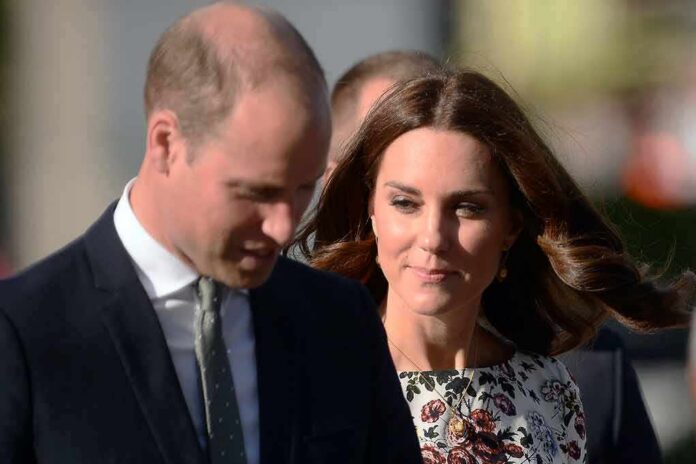
Kate Middleton is letting cameras into the hardest year of her life, and the trailer alone shows why millions will tune in.
Quick Take
- Kensington Palace confirmed a new documentary called Heal, featuring the Princess of Wales discussing her cancer experience.
- The film airs on the BBC on November 29, with international broadcasts starting November 30, 2026.
- In the trailer, Kate says cancer “changes your body” and shifts something “much, much deeper” inside a person.
- The documentary follows her January 2025 announcement that she is in remission after treatment.
A Future Queen Speaks Plainly About Cancer
Kensington Palace announced the documentary Heal as a deeply personal project. In it, the Princess of Wales walks viewers through her experience with cancer and what life looks like now. The BBC will air it on November 29, with other countries picking it up starting November 30, 2026. That timing matters because it places her story in front of a massive global audience at once.
The trailer carries a line that will stick with viewers long after they close the app. Kate says cancer “does change you,” pointing first to the physical toll and then to something harder to name. She describes “a much, much deeper part” of what a diagnosis shifts inside a person. That kind of honesty from a royal, stripped of palace polish, is rare and worth noticing.
How We Got Here: The Road From Diagnosis To Remission
This documentary did not appear out of nowhere. Kate first disclosed her cancer diagnosis in 2024, then delivered the update the world was waiting for on January 14, 2025. Standing at the Royal Marsden, she said plainly, “It is a relief to now be in remission and I remain focussed on recovery”. That single sentence closed one chapter publicly and opened the door to this new, longer conversation.
Kensington Palace says Heal is meant to do more than tell Kate’s personal story. The stated goal is helping other patients navigate diagnosis, recovery, and the strange, uncertain territory that comes after treatment ends. The film also aims to spotlight holistic cancer care, the kind that treats a patient’s emotional state alongside their physical one. For a family institution built on duty, turning private pain into public service fits a familiar pattern.
What The Film Leaves Unanswered, And Why That’s Not The Point
Viewers hoping for clinical specifics, the exact cancer type, stage, or treatment drugs, will not find them here. Kate’s team has not released that information, and nothing suggests they plan to. That is her right. Medical privacy is not a loophole; it is a basic protection every person deserves, royal or not. Demanding more detail misunderstands what this project is actually for.
Research on how cancer survivors get covered in the media shows a consistent gap. Stories tend to focus on diagnosis, struggle, and recovery while skipping the clinical texture entirely, and that can leave audiences confused about what “remission” really means. Kate’s documentary follows that same shape. It offers emotional truth and personal testimony rather than a medical case file, and for most viewers, that trade will feel like the right one.
A Carefully Built Moment, Still Worth Watching
Royal news does not happen by accident. Scholars who study royal correspondents describe a system where palaces, broadcasters, and reporters work within unspoken rules about access and timing. Heal fits that mold. The BBC, Kensington Palace, and international partners control the trailer, the release date, and the framing before a single frame airs publicly. None of that makes Kate’s words less genuine. It just means viewers should recognize the machinery behind the moment they are about to see.
Princess Kate just dropped a documentary called Heal about her Three Peaks Challenge for the Royal Marsden Cancer Charity, and her brother James Middleton shows up with the kind of line that wrecks you in ten words flat. When Kate admits "I didn't ring the bell," James tells pic.twitter.com/Kcz3Q8DAp2
— FTD News (@ftdonline) November 24, 2026
What makes this different from typical royal messaging is the rawness of the language itself. A woman third in line to shape the monarchy’s future described pain and uncertainty in terms any cancer patient’s family would recognize instantly. Whatever production decisions shaped the final cut, that core testimony, delivered in her own words, is the reason this documentary will matter to far more people than royal watchers alone.
Sources:
afp.com, miamiherald.com, today.com