A Canadian research team mapped digestion step by step and found vitamin C could blunt stomach chemistry tied to cancer risk.
At a Glance
- A University of Waterloo model predicted less nitrosation when vitamin C was present.
- The chemistry centers on nitrates and nitrites forming N-nitroso compounds in the stomach.
- Timing matters: taking vitamin C with or after meals showed a potential benefit in simulations.
- Vegetables often pair nitrates with vitamin C; processed meats rarely do.
Researchers modeled how vitamin C may interrupt risky stomach reactions
University of Waterloo scientists built a mechanistic model of digestion that tracked nitrates and nitrites through saliva, the stomach, the small intestine, and the blood. The model examined how these compounds can form N-nitroso chemicals in acidic stomach conditions. Many of those products are suspected carcinogens. The simulations predicted that vitamin C reduced the formation of those nitrosation products under several diet patterns, suggesting a targeted chemical effect rather than a vague nutrition link.
The team’s framing matches decades of chemistry. Nitrate from food converts to nitrite by bacteria in the mouth. In the stomach’s acid, nitrite can form N-nitroso compounds. Antioxidants like vitamin C can interfere with that pathway. Government and academic reviews describe this chain and note why results vary across studies. pH, dose, meal makeup, and timing all change the yield of those compounds. That context helps explain why a precise, timed antioxidant could matter.
Timing and food pairings could shift the stomach’s balance
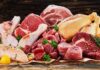
The model generated a practical test: vitamin C taken with food or soon after may lower those chemical byproducts. That fits a common pattern in diets. Leafy greens and beets bring nitrates, but they also come packaged with vitamin C and other antioxidants. Processed meats like bacon and salami bring nitrite or nitrate but little natural vitamin C. This contrast might help explain why vegetables track with better health patterns while processed meats do not, even when both carry nitrate or nitrite.
Public health bodies have long warned about processed meats and colorectal cancer. Reviews and agencies point to positive associations with nitrite exposure from those foods, while also stressing that risk depends on conditions that drive nitrosation. The University of Waterloo model sits inside that framework. It does not claim to make processed meat safe. It suggests one lever—vitamin C—that could reduce a share of the stomach chemistry linked to risk, especially when meals lack natural antioxidants.
What the model can do, and what it cannot
The study reports a mathematical prediction, not a human trial. It did not track stomach contents in people or show a drop in cancer cases. The value here is mechanism. The model links a known reaction to a clear inhibitor and shows where timing might matter most. That makes it useful for designing lab tests and short human feeding studies. Those next steps can measure nitrosation products directly and confirm dose and timing effects in real digestion.
Common sense aligns with the chemistry and with conservative values on personal responsibility. Build your plate so the chemistry favors you. Eat more whole foods that pair nitrates with antioxidants. If you eat processed meats, keep the portions small and add vitamin C-rich foods like peppers or citrus. Do not treat any supplement as a free pass. The model points to a lever you can pull, but the strongest lever remains diet quality and moderation, which cost less and carry far fewer tradeoffs.
What to watch next
Expect three proof points if this holds up. First, controlled lab digestion experiments should show lower measured N-nitroso products when vitamin C is mixed into test meals. Second, short human feeding trials should see changes in validated biomarkers after vitamin C is taken with or after a standardized meal high in nitrite or nitrate. Third, if biomarkers check out, longer studies can test whether those short-term shifts predict lower disease risk over time.
Sources:
medicaldialogues.in, blueprint.ng, sciencedaily.com, mensjournal.com