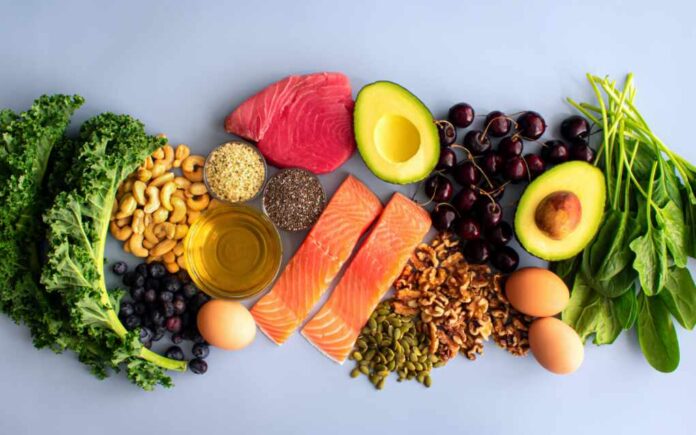
Everyday foods, not fad labels, may be the real clue to who gets diabetes and who does not.
Quick Take
- Harvard researchers found that low-carbohydrate diets were not all the same; food quality changed the outcome.
- Plant-based low-carbohydrate diets were linked with lower Type 2 diabetes risk, while animal-based versions were linked with higher risk.
- Whole grains, legumes, vegetables, nuts, and other plant foods mattered more than carb cutting alone.
- Red meat and refined starches stood out as the foods most tied to worse results.
The Big Split Inside Low-Carb Eating
The new Harvard analysis cuts through a long-running nutrition argument by showing that “low-carb” is not one thing. In a large study of U.S. medical professionals, plant-based low-carbohydrate diets were linked to a 6% lower risk of Type 2 diabetes, while healthier versions that leaned on whole grains and legumes were linked to a 16% lower risk. Animal-based low-carbohydrate diets told the opposite story, with a much higher diabetes risk when whole grains were also pushed aside.
That is the key point readers tend to miss. The study does not say every carb is good or every low-carb plan is bad. It says food quality inside the diet matters. A plate built around beans, nuts, vegetables, and whole grains behaved very differently from one built around meat and refined starches. That distinction explains why some low-carb diets can look helpful on paper while others appear to push risk upward.
What the Researchers Found in Plain English
The numbers are hard to ignore. The study followed about 200,000 U.S. medical professionals for three decades and documented 20,452 Type 2 diabetes cases. Plant-based low-carbohydrate diets were associated with a modest risk drop. Animal-based low-carbohydrate diets were associated with a much larger risk increase. The strongest pattern showed up when red meat and refined carbohydrates crowded out healthier plant foods.
Harvard’s earlier work points in the same direction. Its Nutrition Source says low-carbohydrate diets can help when they emphasize vegetable fats and proteins, not animal-heavy patterns. Harvard public reporting on a related study also found that plant-based low-carbohydrate diets were linked with lower premature death among people already living with Type 2 diabetes. Taken together, these findings suggest that the word “low-carb” hides more than it reveals.
Why Some Everyday Foods Look Safer
The food pattern matters because the body does not process every carbohydrate the same way. Whole grains and legumes bring fiber, slower digestion, and steadier blood sugar. Red meat and refined grains do not offer that same package. In the Harvard discussion of the study, the lead authors also pointed to red meat and white potatoes as foods that can push risk in the wrong direction, while sweet potatoes fit better with the healthier side of the ledger.
That is where the story becomes useful for ordinary people. The practical question is not whether to fear all carbs. It is whether the meal has real structure. Beans, lentils, nuts, vegetables, and intact grains can support a lower-risk pattern. Burgers, bacon, fries, and refined bread work against it. The science here fits a simple rule: the closer food stays to its natural form, the better it tends to behave.
Why the Result Matters Beyond One Study
This is not the first sign that plant-based patterns can help. Harvard and other researchers have reported that healthier plant-based diets are linked with lower diabetes risk, while unhealthy plant-based patterns do not carry the same benefit. Other reviews have also tied meat-heavy diets to worse diabetes outcomes and higher cardiometabolic risk. The new study matters because it separates “plant-based” from “healthy plant-based,” and “low-carb” from “smart low-carb.”
Nutrition debates often turn into slogans, and slogans usually flatten the truth. That is how people end up trusting a food just because it is marketed as low-carb, vegan, or natural. The better question is harder but more honest: what is actually in the meal? The Harvard findings suggest that the answer to that question may matter more than the headline on the package.
What This Means for the Dinner Plate
For most readers, the takeaway is practical. If you want to lower diabetes risk, the safest low-carb path appears to be the one built around plant protein, plant fats, and high-quality carbohydrates. That means more beans, lentils, nuts, seeds, vegetables, and whole grains. It means less red meat, less refined grain, and less reliance on starches that spike blood sugar. The study does not demand perfection. It does demand better choices inside the same broad eating style.
That is why this research landed so loudly. It did not just rank carbs against fats. It ranked foods against each other. And once you see that split, the old low-carb argument starts to look too simple. The better question is not how many carbs are on the plate. It is what kind of carbs, what kind of fats, and whether the meal is built from plants that do the body favors rather than foods that quietly work against it.
Sources:
mindbodygreen.com, pubmed.ncbi.nlm.nih.gov, heart.org, news.harvard.edu, nyp.org, pcrm.org