A 9-year-old girl traded her wheelchair for a walker months after doctors gave her a drug made just for her broken gene.
Quick Take
- Mayo Clinic runs a program that builds custom genetic drugs for patients with diseases so rare no other treatment exists.
- The therapies use antisense oligonucleotides, short synthetic strands tailored to one patient’s specific gene defect.
- A young patient showed real gains in movement and feeding after treatment, offering a rare success story.
- The Food and Drug Administration (FDA) has issued guidance to help these one-patient treatments move faster through approval.
Doctors Build Medicine For One Patient, Not A Crowd
Most new drugs go through huge trials with thousands of patients before they reach anyone’s medicine cabinet. Mayo Clinic is doing something different for people whose diseases are so rare that a normal trial is impossible. Its study, called “Individualized Therapeutics in Rare Genetic Disease,” looks for patients whose exact genetic mutation might respond to a custom-built drug, then develops that drug just for them.
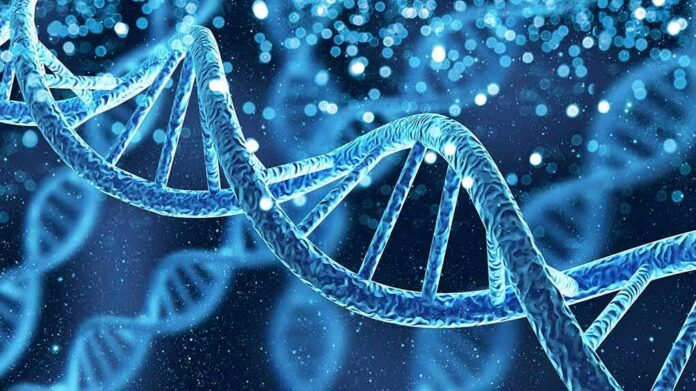
The approach relies on antisense oligonucleotides, short strings of lab-made genetic material that can block or correct a faulty instruction inside a cell. Mayo’s Center for Individualized Medicine has spent over a decade refining precision diagnostics built around each patient’s unique genetic code. Dr. Cousin leads the hospital’s N-of-1 Therapeutics Program, where scientists design, test, and eventually dose treatments built around a single person’s mutation.
The process is methodical by necessity. Researchers first confirm the genetic alteration causing a patient’s disease, then design a molecule that targets it directly. Before any patient receives a dose, the team runs safety and toxicity studies, much like a standard drug trial, just compressed around one person instead of a population. Only after clearing those steps does the therapy move into what Mayo calls a future N-of-1 clinical trial.
A Child’s Recovery Shows What’s Possible
The clearest proof of this approach came through Maggie Carmichael, a Mayo Clinic patient with an ultra-rare genetic disease. Months after she began an experimental drug built for her condition, she gave up her wheelchair for a walker and took her first unassisted steps. Her feeding and speech also improved, a result her family had not expected and doctors called striking.
Stories like Maggie’s echo a case that changed rare-disease medicine years earlier. A girl named Mila Makovu had a hidden genetic flaw causing Batten disease, a fatal brain disorder. Researchers at Boston Children’s Hospital built her a custom drug, later named milasen, in about ten months from diagnosis to treatment, and her seizures dropped sharply afterward. The gains did not reverse all her earlier brain damage, but the case proved custom gene drugs could work fast enough to matter.
Why Mayo’s Model Could Reshape Rare-Disease Care
Mayo’s effort fits a pattern spreading across American medicine. A 2025 review found at least 28 patients worldwide received mutation-specific antisense drugs between 2018 and 2024, a small but growing number given how new the method is. That count reflects reported cases, not a guaranteed success rate, but it shows the field is no longer experimental on paper alone; real patients are being treated.
Regulators are adjusting too. The FDA issued draft guidance meant to help sponsors prove these individualized therapies are safe and effective, even when a normal controlled trial with many patients simply is not possible because so few people share the same mutation. That framework matters because it gives hospitals like Mayo a clearer legal and scientific path to treat the sickest, rarest patients without waiting years for a drug industry built around mass markets to notice them.
What This Means For Families Facing The Rarest Diagnoses
Mayo Clinic is also pushing precision medicine earlier in life through its BabyFORce program, which pairs rapid whole-genome sequencing with artificial intelligence to speed up diagnosis for critically ill newborns. Combined with the N-of-1 therapeutics work, the hospital is building a pipeline that moves from finding a rare mutation to designing a treatment for it, a path that barely existed a decade ago. For families who once heard “there’s nothing we can do,” that pipeline offers something new: a real shot.
None of this guarantees every patient a cure. Each therapy is built around one person’s biology, and results vary case by case. But the direction is clear. American medicine is proving that even the rarest diseases, the ones affecting a single known patient on Earth, are not beyond reach. That is worth taking seriously, and worth continued public and private investment to scale.
Sources:
youtube.com, mayo.edu, newsnetwork.mayoclinic.org, mayoclinic.org, nature.com