Where your body stores fat helps predict your health risks—and men and women store it very differently.
At a Glance
- Women hold more fat under the skin in hips and thighs; men hold more around organs.
- At the same body mass index, men show a tougher cardiometabolic profile than women.
- Visceral fat links more strongly to disease than subcutaneous fat across studies.
- Mouse data point to immune cells in fat as a sex-specific switch for inflammation.
Fat placement differs by sex, and the map matters
Large human reviews report a clear pattern: women carry more subcutaneous fat, especially in hips and thighs, while men carry more visceral fat inside the abdomen around organs. That map is not just cosmetic. Visceral fat sits near the liver and pancreas. It drains into the portal vein and can flood the system with fatty acids and inflammatory signals. Subcutaneous fat under the skin tends to store energy more safely. This difference helps explain who gets which complications.
Clinical studies tie these patterns to health. At the same age and body mass index, men show worse cardiometabolic markers than women, including blood lipids, fasting glucose, and blood pressure. That same analysis linked visceral fat to higher risk markers, with some measures hitting women harder per unit of visceral fat. The point is simple and practical. A bathroom scale and a single body mass number miss key risk. Where fat sits helps call the plays.
Why visceral fat drives more trouble than a soft waistline
Visceral fat behaves like an endocrine organ. It releases hormones and inflammatory factors that push blood pressure up and insulin down. Reviews tie visceral fat to hypertension, high triglycerides, impaired fasting glucose, metabolic syndrome, cardiovascular disease, and type 2 diabetes more than subcutaneous fat does. This is why a lean-looking man with a hard belly can face higher risk than a woman with fuller hips. The storage site, not just the size, sets the stage.
Lower-body fat in women often tracks with a more favorable profile. Gluteofemoral fat can act as a sink, storing calories away from the liver and heart. That buffer helps until capacity runs out. After menopause, some women shift toward central fat and see risk climb. Men typically start with more visceral fat and less safe storage. That difference helps explain sex gaps in midlife heart disease and diabetes, even when body mass index looks the same.
A new clue from fat’s immune cells adds a twist
New mouse research shines a light inside fat tissue. Scientists found six types of eosinophils, a kind of immune cell, living in fat. Female mice had more of an eosinophil group that works with macrophages to keep fat tissue calm and metabolically healthy. Male mice on a high-fat diet developed more pro-inflammatory eosinophils, which lined up with worse metabolic signs. That suggests immune balance inside fat may tilt risk differently by sex.
These mouse data offer a plausible mechanism that fits older human evidence. If fat’s immune cells set the tone—calm in women, hot in men—that could amplify the effect of where fat sits. Visceral fat that runs “hot” could drive insulin resistance faster. Subcutaneous fat that runs “cool” could protect longer. The study stops short of human proof, but it sketches a testable map: sample fat by depot and sex, profile immune cells, and track outcomes over time.
Practical takeaways for care, policy, and common sense
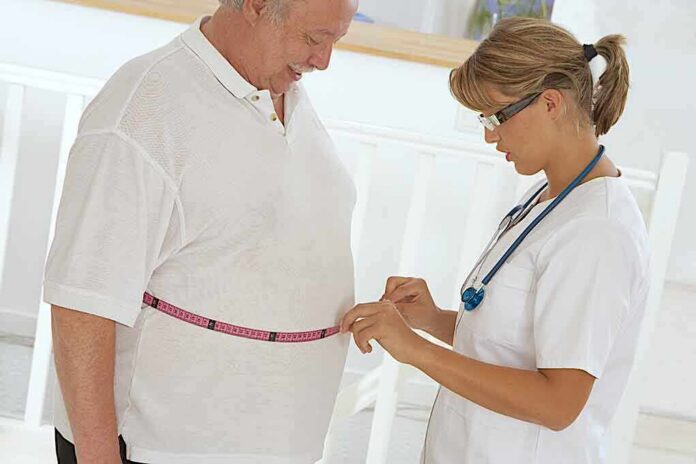
Clinicians should look past body mass index. Use waist measures and, when risk is unclear, imaging to gauge visceral fat. Counsel men hard on central weight gain; a flat scale number can mask rising belly risk. Encourage women to preserve muscle and monitor waist changes, especially after menopause. Policy should back screening tools that flag visceral fat, not just body mass index. That respects biological sex differences without moralizing weight.
For readers looking for action, focus on habits that shrink visceral fat. Strength training builds muscle that burns glucose. Interval training taps deep energy stores. Sleep and stress control keep hormones in line. Protein-forward, fiber-rich meals blunt insulin spikes. These basics match both biology and experience. They do not care about fads or flashy labels. They care about getting the right fat to shrink first: the kind wrapped around your organs.
The road ahead: better metrics, sharper medicine
Future studies can link magnetic resonance imaging or computed tomography fat maps, adipose biopsies, and long-term health records to show how depot and immune profiles predict disease beyond body mass index. Trials can test whether men and women respond differently to the same diet or drug when visceral fat and fat immune cells are measured, not guessed. Until then, one rule stands: measure what matters. Fat location and fat behavior beat body mass alone for real risk.
Sources:
sciencedaily.com, link.springer.com, cambridge.org, pmc.ncbi.nlm.nih.gov